The material
At the core of Exposed Plus is the pairing of green cement with GGBS — ground granulated blast-furnace slag, an industrial by-product with latent hydraulic properties. The combination reduces the carbon associated with conventional cement production and increases the durability and strength of the concrete itself.
GGBS reacts with the calcium hydroxide produced during cement hydration to form additional calcium silicate hydrate gel — the binder that gives concrete its strength — producing a denser matrix that is less prone to cracking. Shrinkage-reducing admixtures work alongside it, minimising cracking through the cure and reducing maintenance over the life of the surface.
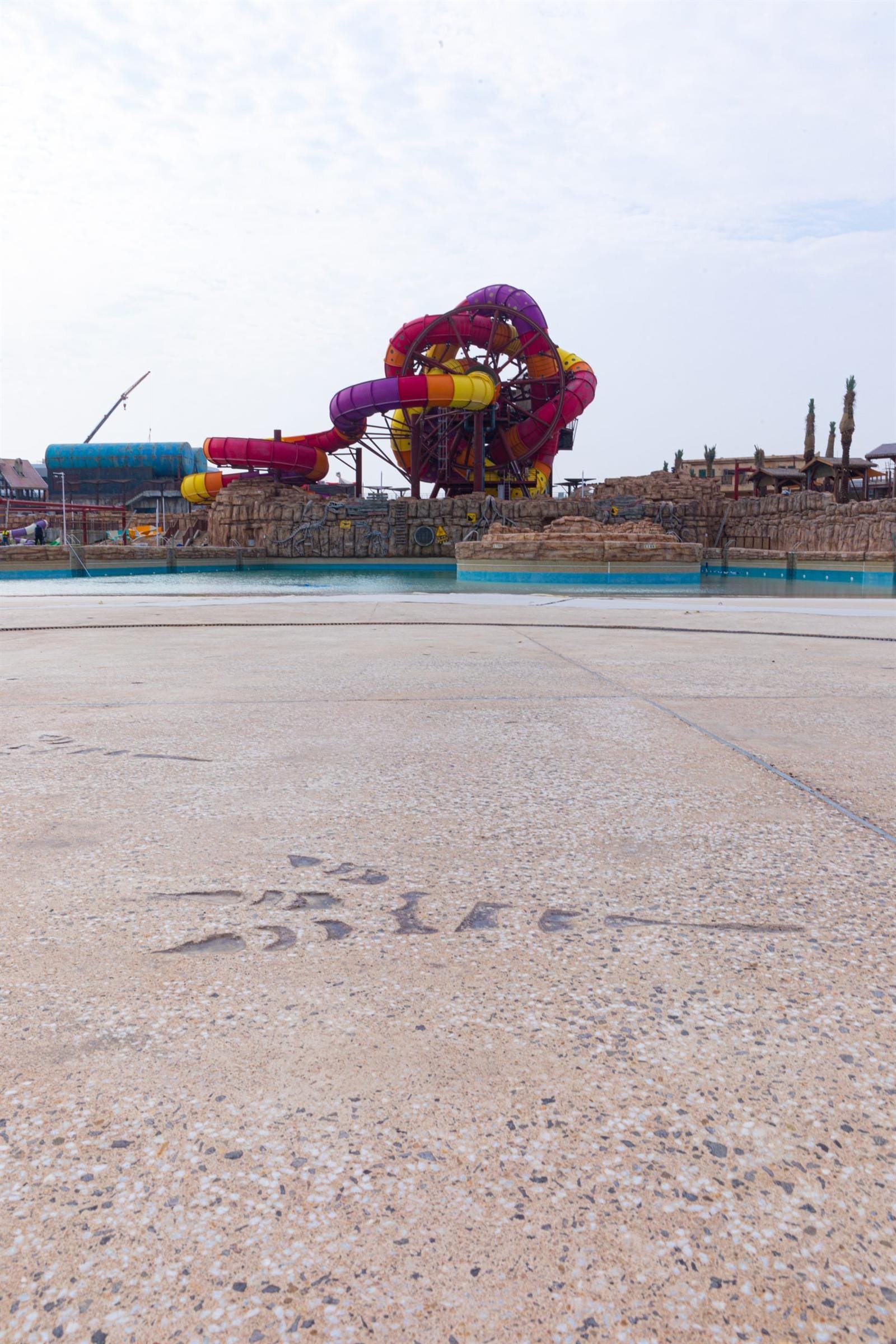
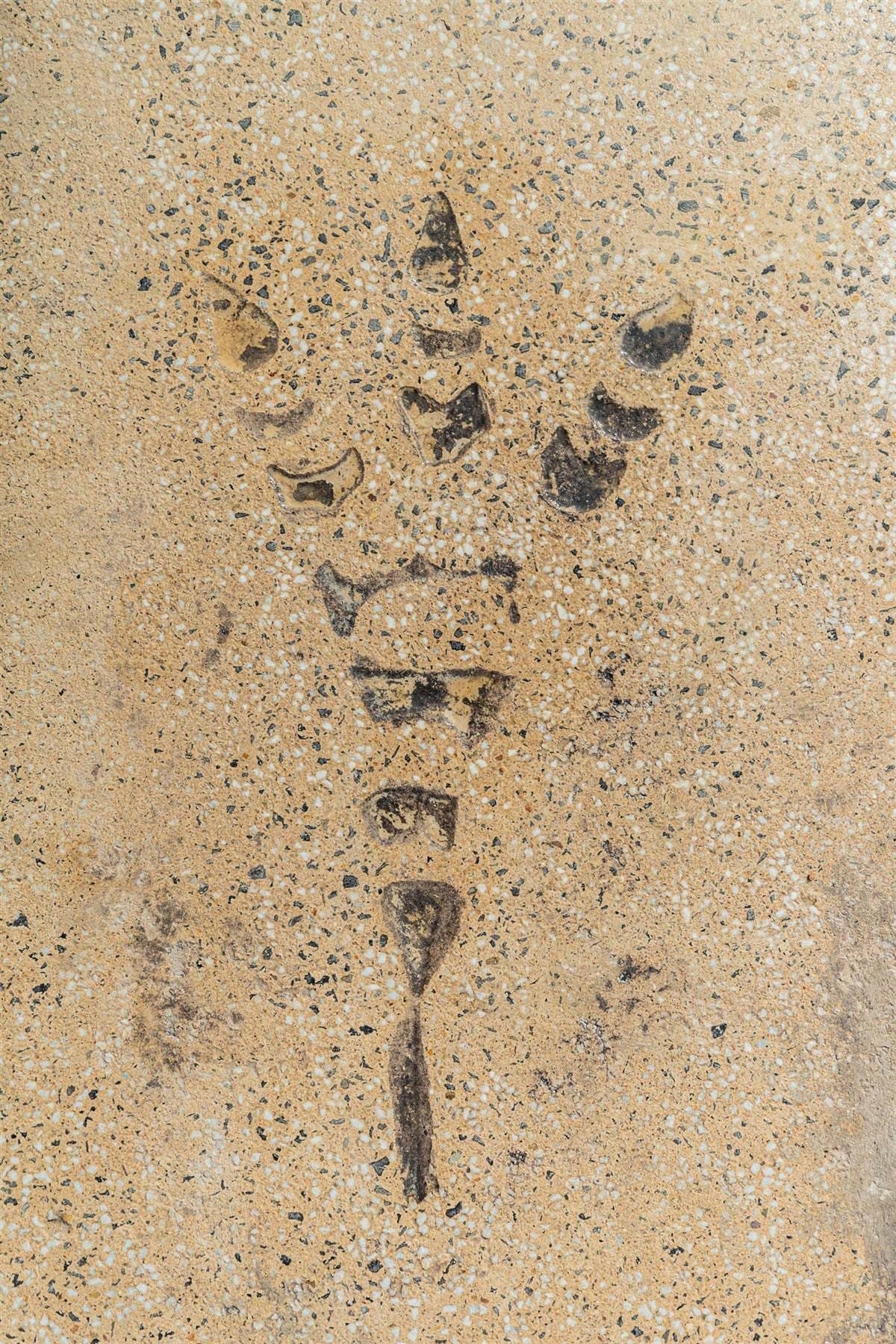
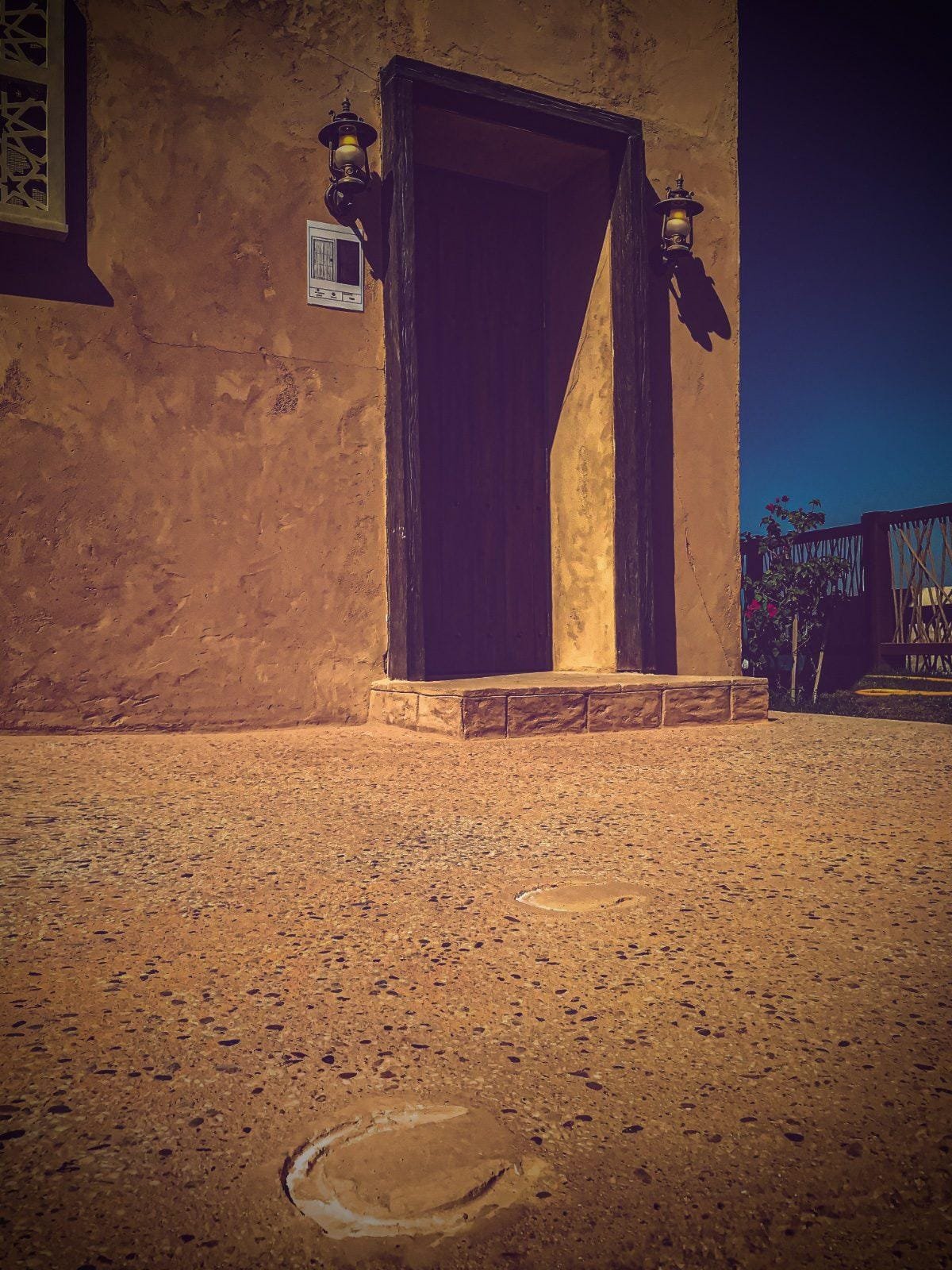
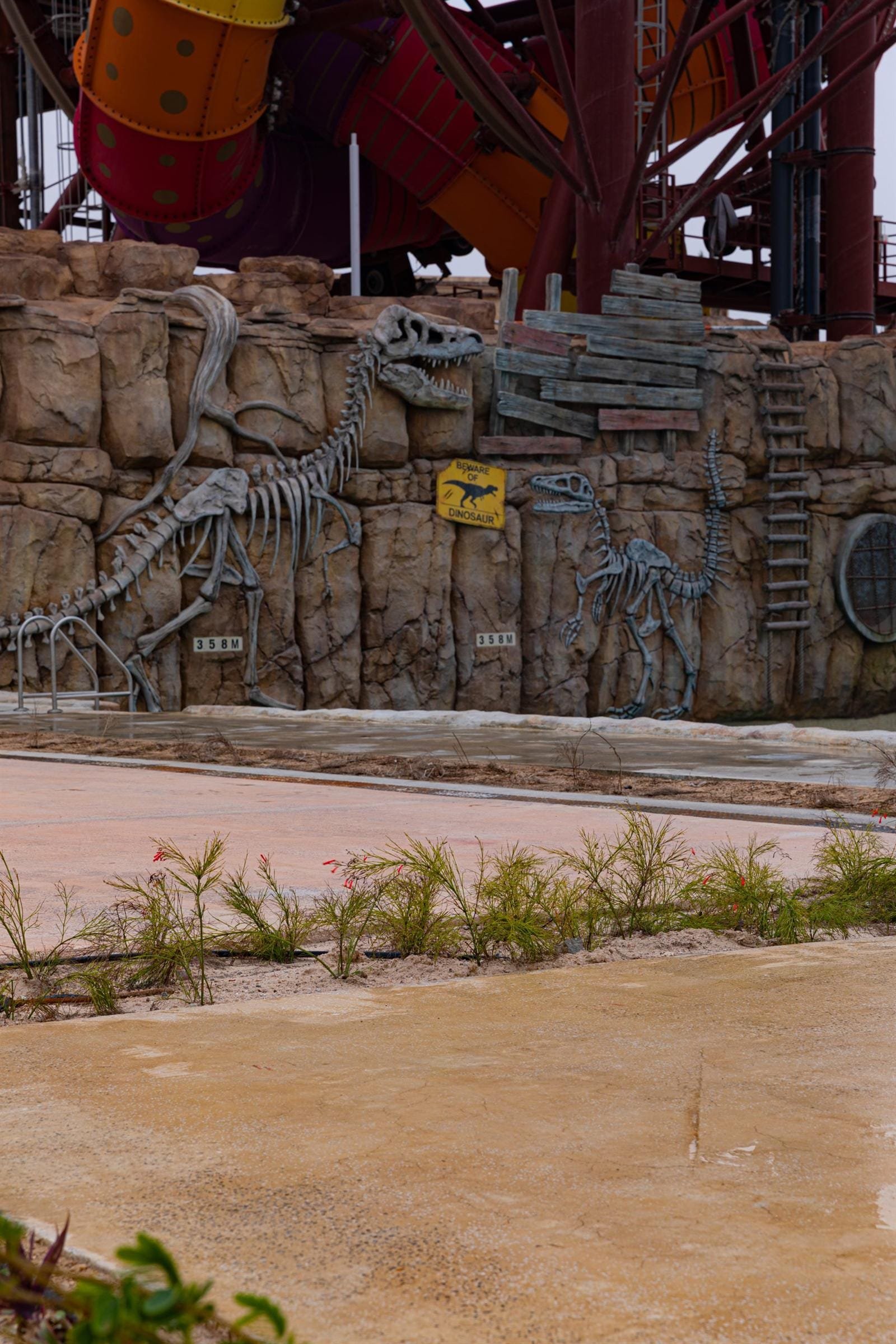
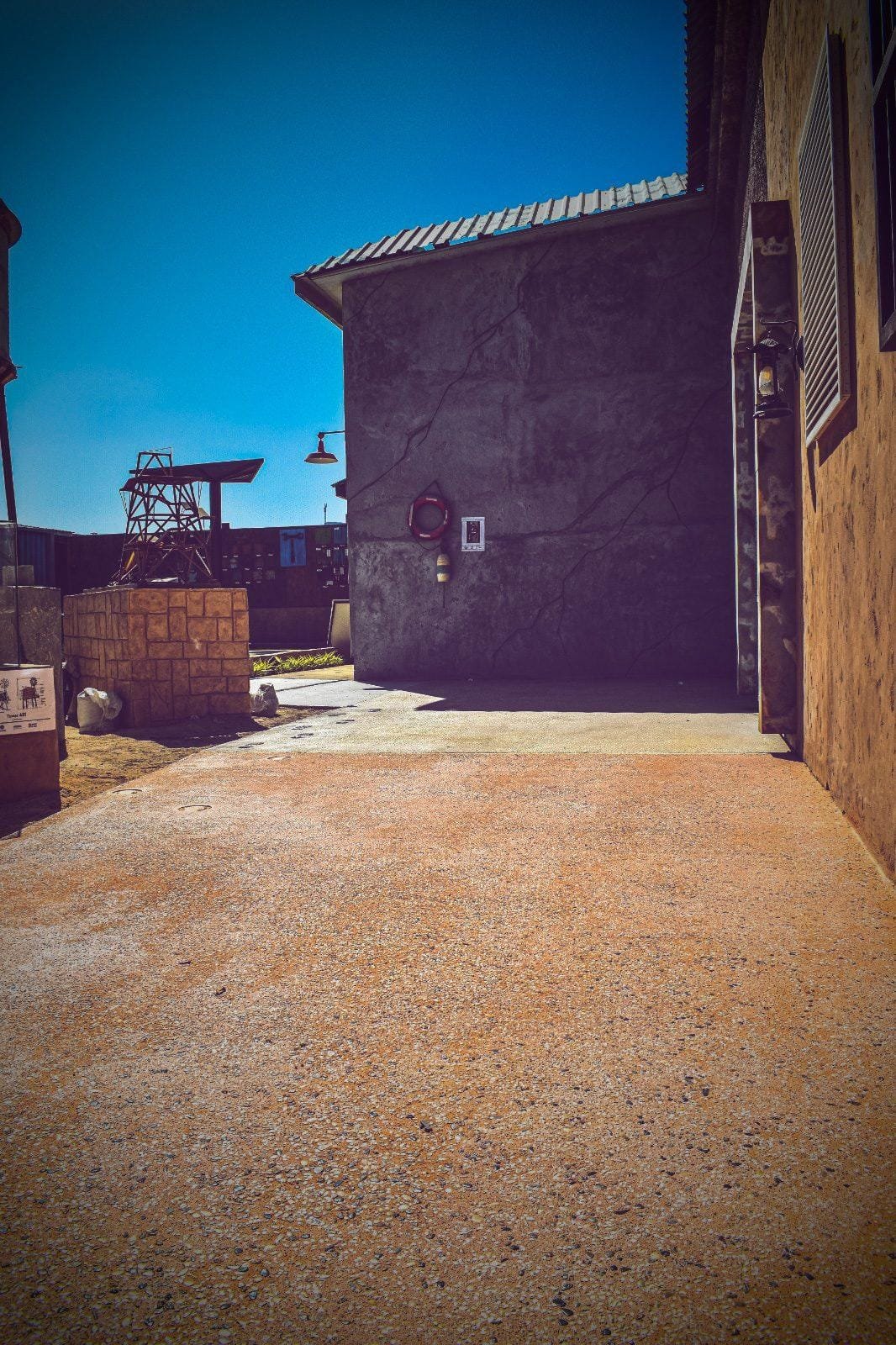
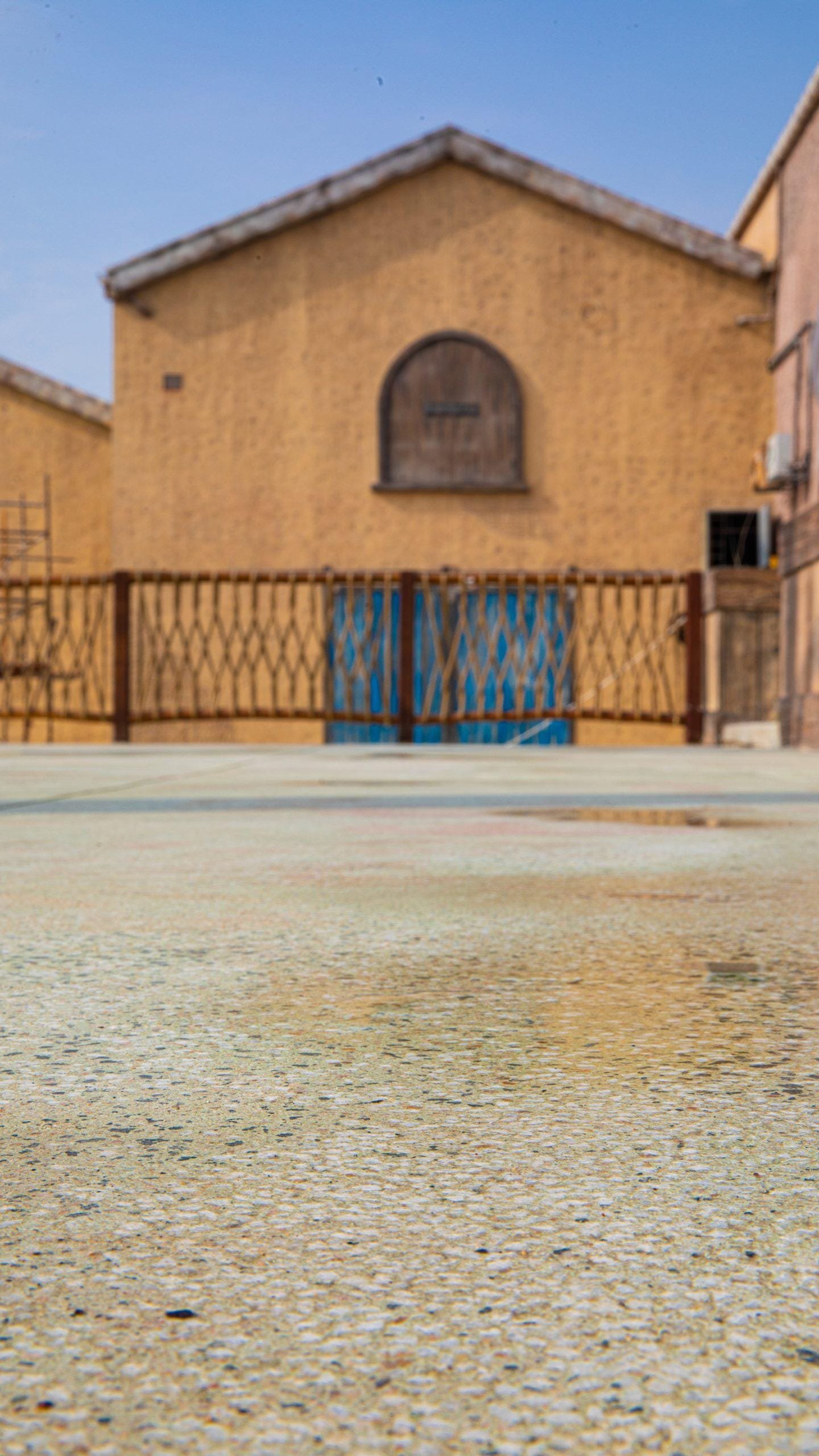
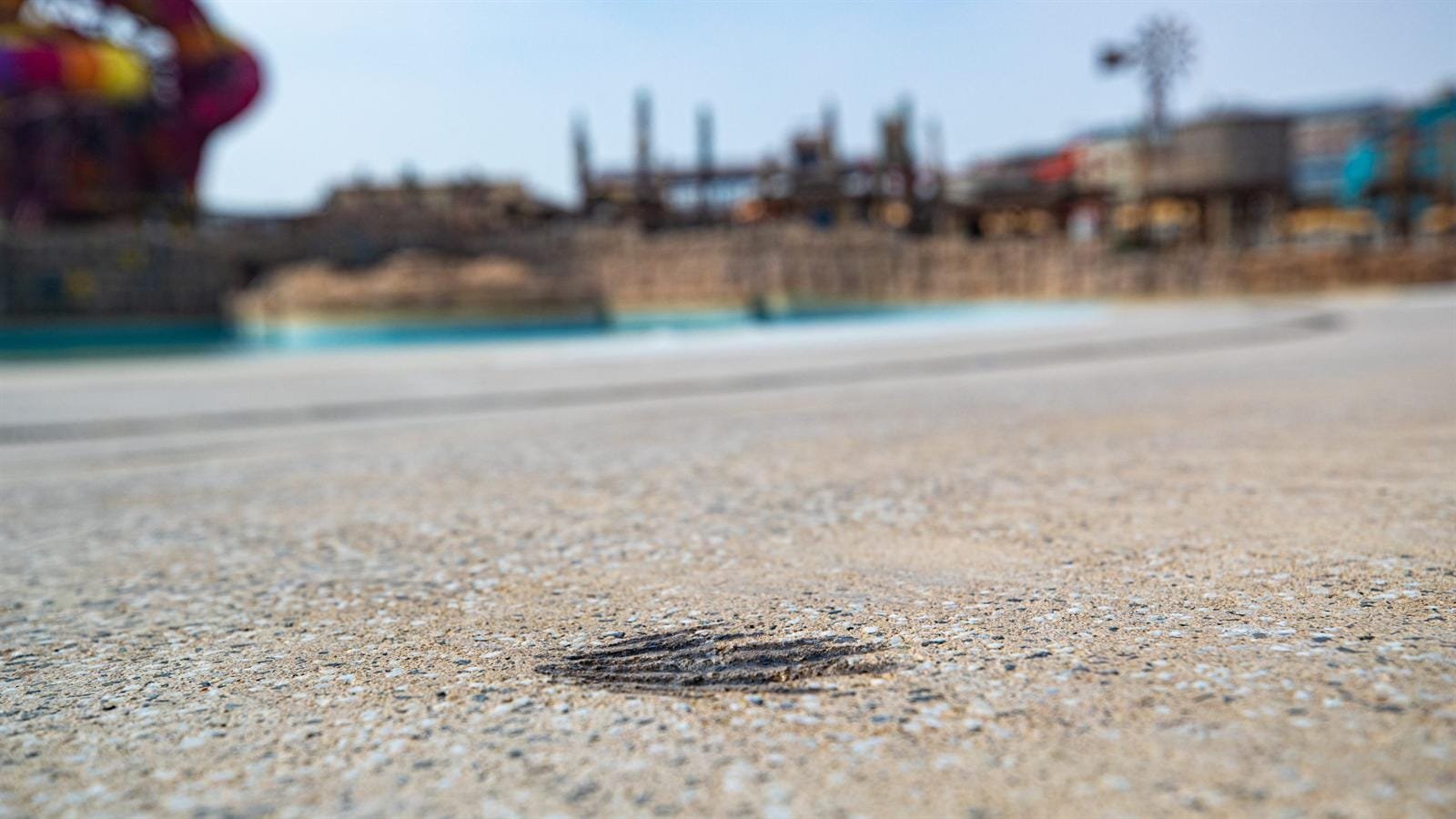
The finish itself is architectural: once the concrete has taken its initial set, the top layer of cement paste is removed to expose the embedded aggregate. The blend of stone is chosen per project, so the surface can be tuned from a quiet sand-and-grey to a strongly figured decorative deck — and motifs, colour bands and inlays can be worked into it, as the themed walkways at Meryal Waterpark show.
The exposed finish reveals the natural stone within the mix. Aggregate blend, colour and exposure depth are all selectable, and inlaid motifs or contrasting bands can be cast into the same pour.
The GGBS reaction produces a denser, less permeable concrete with higher long-term strength — a surface that stands up to heavy foot and vehicular traffic and resists cracking and surface damage.
GGBS is a by-product of iron-making with a far lower carbon footprint than Portland cement. Using it displaces energy-intensive cement, diverts an industrial by-product from landfill, and contributes to green building targets.
The finish in place
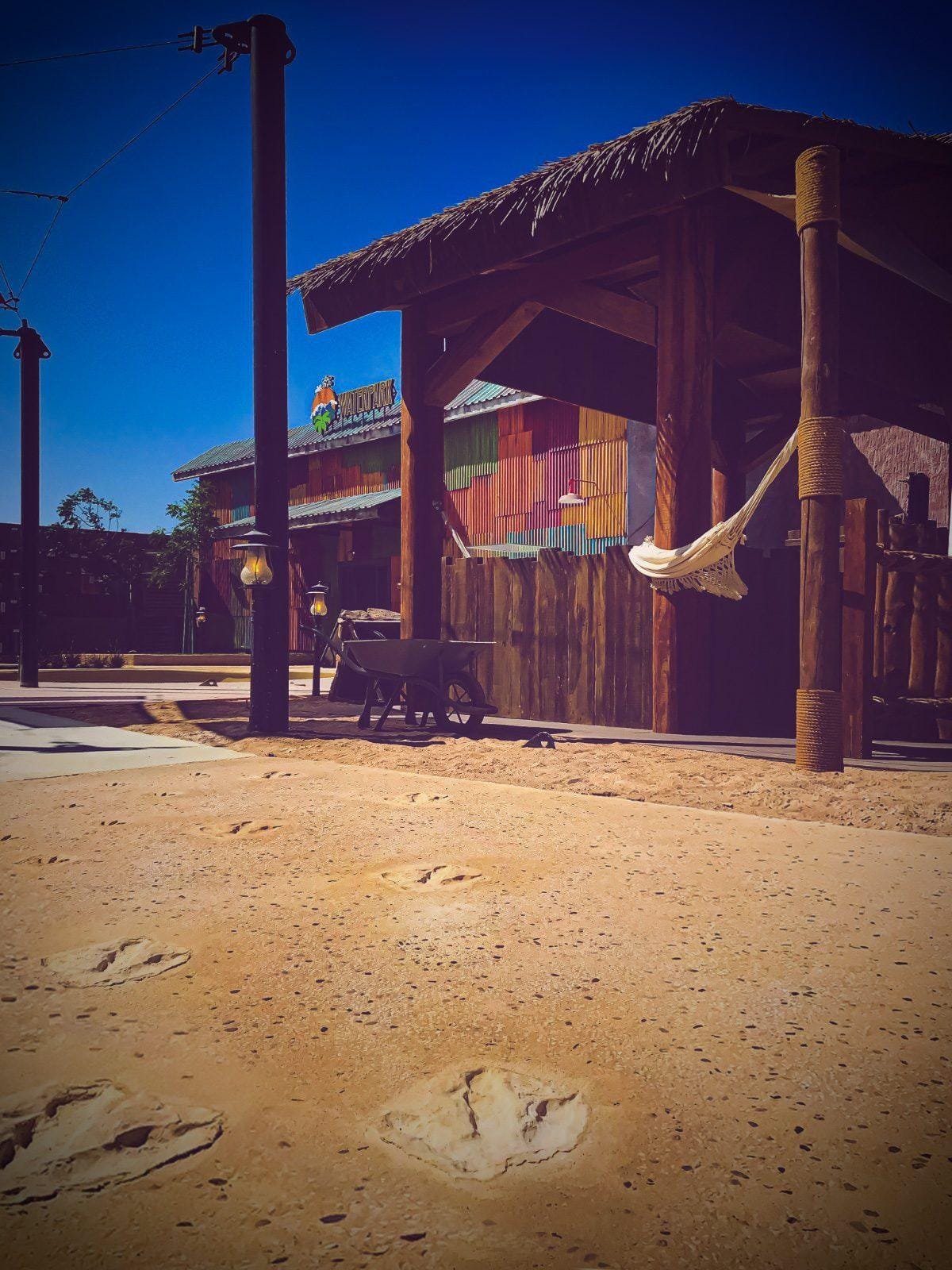
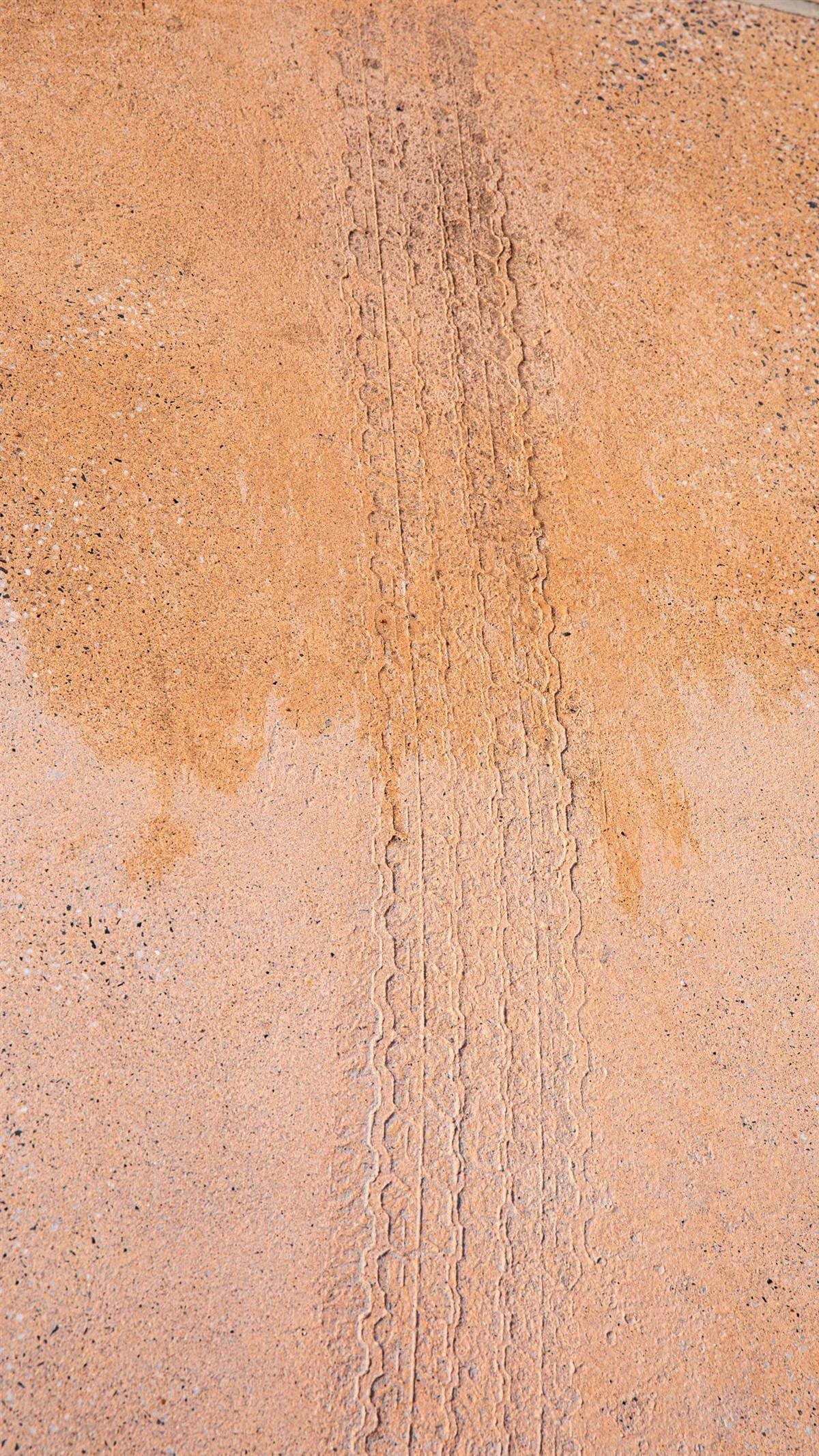
All photography below is Exposed Plus at Meryal Waterpark, Qetaifan Island — one material, tuned blend by blend across decks, walkways and themed courts. Photography: Conmarble.
Where it is used
- Driveways and walkways — a slip-resistant, durable surface for heavy foot and vehicular traffic
- Public spaces — plazas, parks and communal areas where the surface has to look good and last
- Commercial developments — a robust external floor that carries the visual identity of the scheme
- Residential projects — patios, pool decks and outdoor living spaces
Performance
| Shrinkage and cracking | Shrinkage-reducing admixtures minimise cracking through the cure, protecting the structural integrity of the slab |
|---|---|
| Workability | GGBS particles are finer than OPC and fill the gaps between larger cement grains — a more compact, uniform mix that places and finishes well |
| Chloride resistance | The denser GGBS matrix resists chloride ingress, protecting reinforcement in marine settings and where de-icing salts are used |
| Thermal cracking | GGBS generates less heat during hydration than Portland cement, reducing thermal cracking risk in large pours |
How it goes down
Six stages, in order. The exposure stage is where the finish is made — the depth and evenness of the reveal is agreed on the sample panel before the first pour.
Sustainability
Exposed Plus contributes to sustainable building practice in three concrete ways — and they compound over the area of a large external works package.
- Reduced carbon: GGBS is a by-product of the steel industry, and every tonne used displaces energy-intensive Portland cement and its CO2
- Resource efficiency: supplementary cementitious materials divert an industrial by-product from landfill into the building fabric
- Green building alignment: the reduced-carbon mix and improved thermal behaviour contribute to green building standards and rating submissions
Decorative concrete: Conmarble Exposed Plus exposed aggregate concrete, incorporating GGBS and shrinkage-reducing admixtures, laid to the areas scheduled at the thickness detailed. Aggregate blend, colour and exposure depth to the approved sample panel. Surface exposed by [washing / brushing / abrasive blasting] once set, cured to best practice, and sealed with the approved sealant. Substrate movement and construction joints carried through the surface. Supply and installation by Conmarble Natural Finishes.
Square brackets mark the choices that belong to the project. Send us the finishes schedule and we will return the clause completed, with the sample and mock-up programme against it.
Featured project
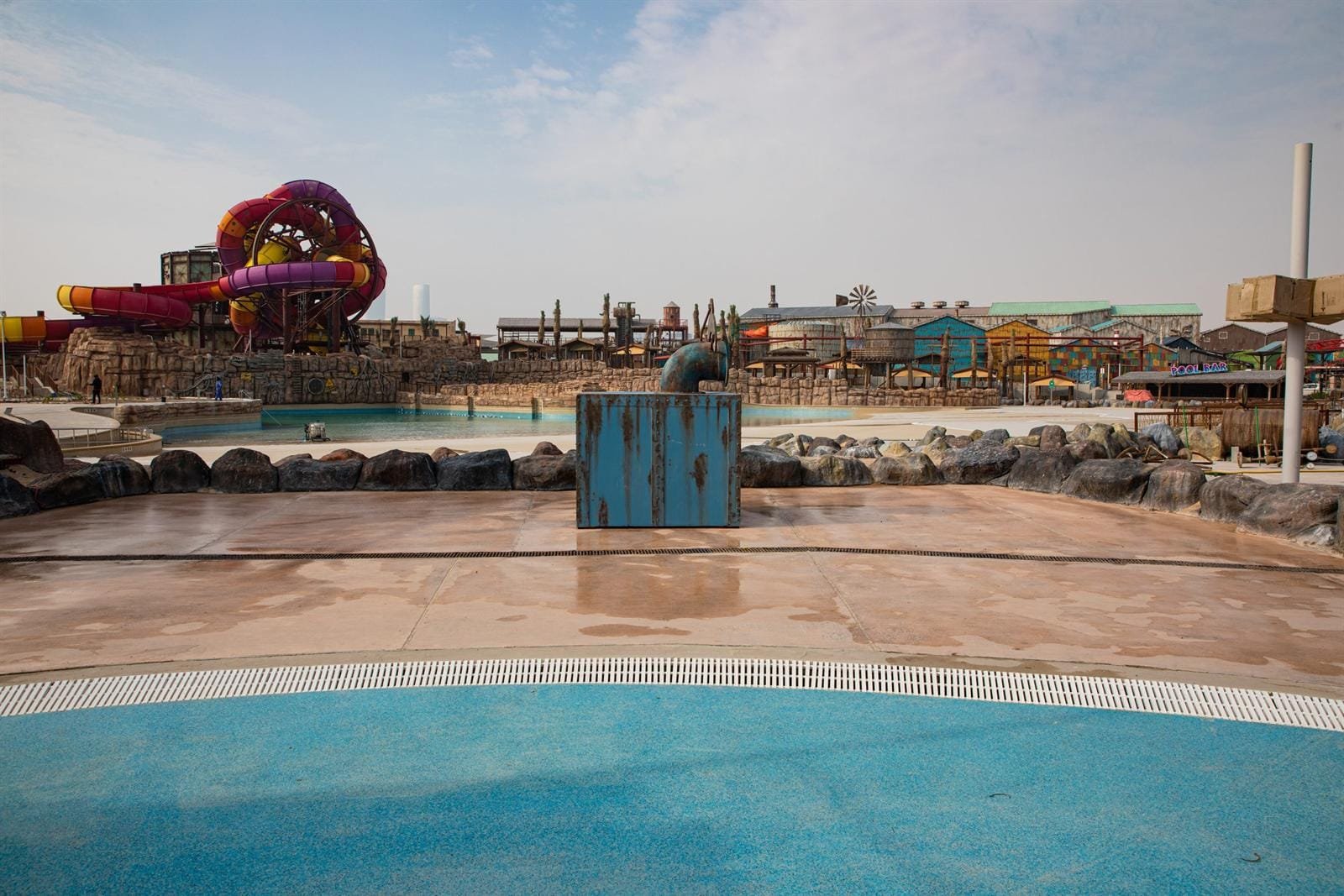
Built with this material, by our own artisans. Open the project for the full set of photographs and the story of the installation.
Technical support for the design team
We supply the material and we apply it, so the specification and the workmanship sit with one party. Send a finishes schedule, an elevation or a mood board and we will come back with the system, the build-up, the sample programme and a completed clause.
Questions specifiers ask
Short answers, restating what this page already sets out. The specification pages carry the data behind each one.
What is Exposed Plus exposed aggregate concrete?
Exposed Plus is a decorative exposed aggregate concrete built on green cement and GGBS (ground granulated blast-furnace slag). Once the concrete takes its initial set, the top layer of cement paste is removed to reveal the embedded stone, leaving a textured, slip-resistant surface with a lower carbon footprint than conventional concrete. Aggregate blend, colour and exposure depth are all selectable per project.
Where can exposed aggregate decorative concrete be used?
Exposed Plus is used for driveways and walkways, public spaces such as plazas, parks and communal areas, commercial developments needing a robust external floor, and residential projects including patios, pool decks and outdoor living spaces. Reference projects include Meryal Waterpark, Panda Zoo and Lusail Circuit; at Meryal Waterpark the material runs across pool decks, walkways and themed courts.
How durable is exposed aggregate concrete under heavy traffic?
The GGBS reaction produces a denser, less permeable concrete with higher long-term strength — a surface that stands up to heavy foot and vehicular traffic and resists cracking and surface damage. Shrinkage-reducing admixtures minimise cracking through the cure, GGBS generates less heat during hydration to reduce thermal cracking risk in large pours, and the denser matrix resists chloride ingress in marine settings.
How is exposed aggregate concrete installed?
Installation runs in six stages: surface preparation, mixing to specified ratios, placement to the required thickness and level, exposure, curing and sealing. At the exposure stage, once the concrete has set sufficiently, the top layer of cement paste is removed by washing, brushing or abrasive blasting to reveal the embedded aggregate. The depth and evenness of the reveal is agreed on a sample panel before the first pour.
Does exposed aggregate concrete need to be sealed?
Yes. Sealing is the final stage of installation: a suitable sealant deepens the appearance of the stone, protects against staining and extends the life of the surface. Within the mix itself, shrinkage-reducing admixtures minimise cracking through the cure and reduce maintenance over the life of the surface, so the sealed finish is protected both at the surface and in the slab.