At a glance
Best for
Interior walls and ceilings
Not for
Showers, wet areas and floors — use lime or microcement there
Wet areas
No — specify tadelakt or Microtadelakt for wet rooms
 Cornwall, United Kingdom
Clayworks, from Cornwall to the Gulf
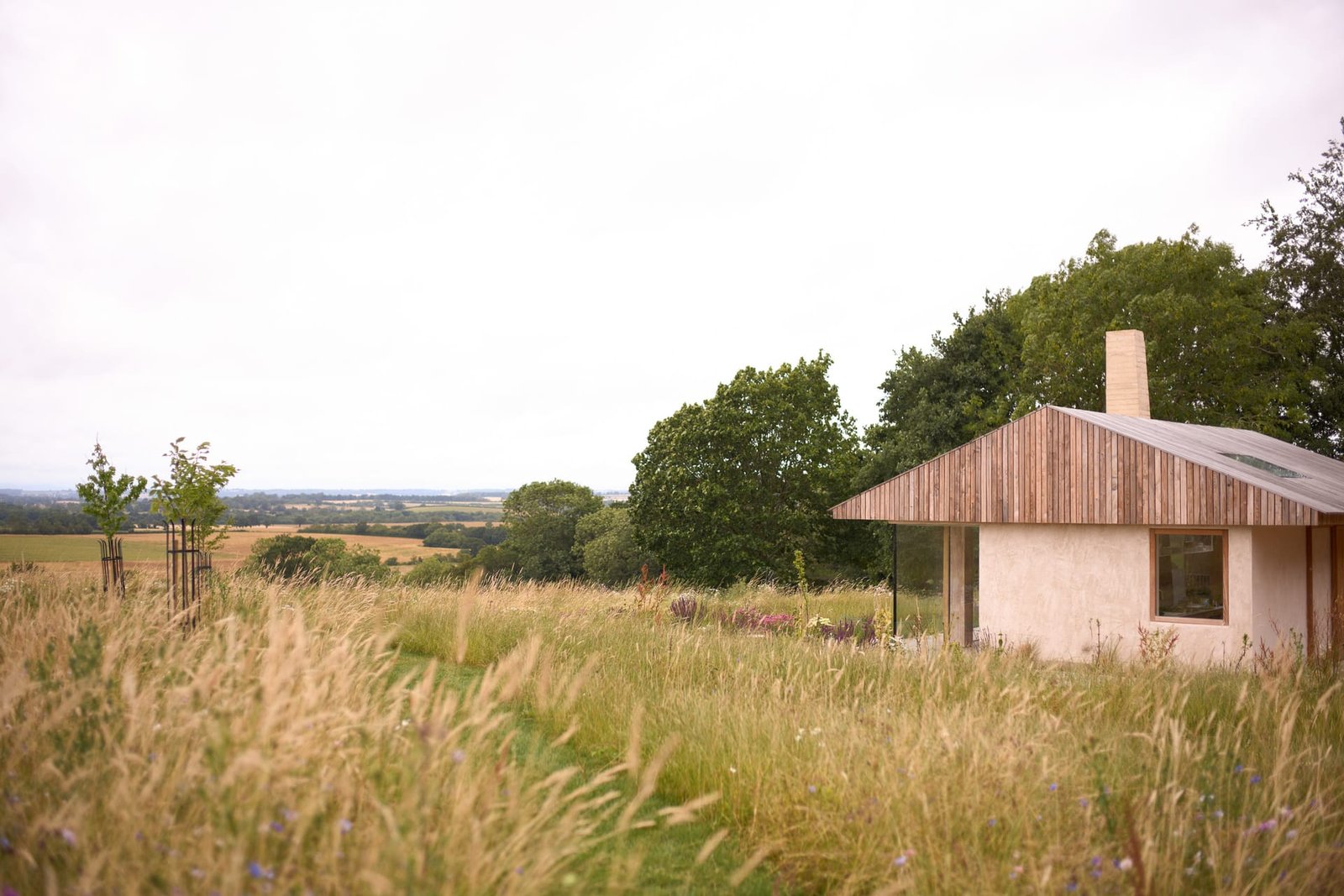
Clayworks makes unfired natural clay plasters in Cornwall, United Kingdom. The clay is blended, coloured and bagged rather than fired, which is why the finished surface stays breathable and carries its colour through the body. The company holds the King's Award for Enterprise 2023.
Conmarble is Clayworks' sole authorised distributor and approved applicator across the Middle East. We hold the range in the region and apply it with our own crews. The artisans are on our payroll and trained on the system, not brought in project by project.
For a specifier that means one party for the whole wall. Material and workmanship sit under a single warranty, so there is no gap between supply and application to argue over when a sample, a substrate condition or a snag needs resolving. One point of contact from mock-up to handover.
clay-works.com →Why clay
Humidity held steady
Clay takes up moisture when a room is damp and releases it when the air dries, helping hold interiors between 40 and 60% RH. In a Gulf climate, where air conditioning swings a room hard, that buffering keeps wall surfaces and occupants more comfortable.
Colour through the body
The colour is in the clay itself, not a coat sitting on top of it. A knock or a scuff shows the same colour underneath, and repairs blend into the wall rather than patching over it. Clayworks references run from Nude NUD-01 and White WHI-07 to Terracotta TER-03.
Nothing to off-gas
The plasters are mineral and unfired, with no solvents or plastic binders to release into the room after handover. Walls are ready to live with straight away, which matters in bedrooms, clinics, schools and any space that is occupied all day.
Support for green ratings
Clay plaster contributes to WELL, LEED and Mostadam submissions through material health, low emissions and indoor comfort criteria. The documentation library below carries the data sheets your consultant will ask for at submittal stage.
The range
Four classic interior finishes, a wet-area finish, a rammed earth look for interior walls, and a dedicated exterior system. Every one of them is held in the region and applied by our own artisans.
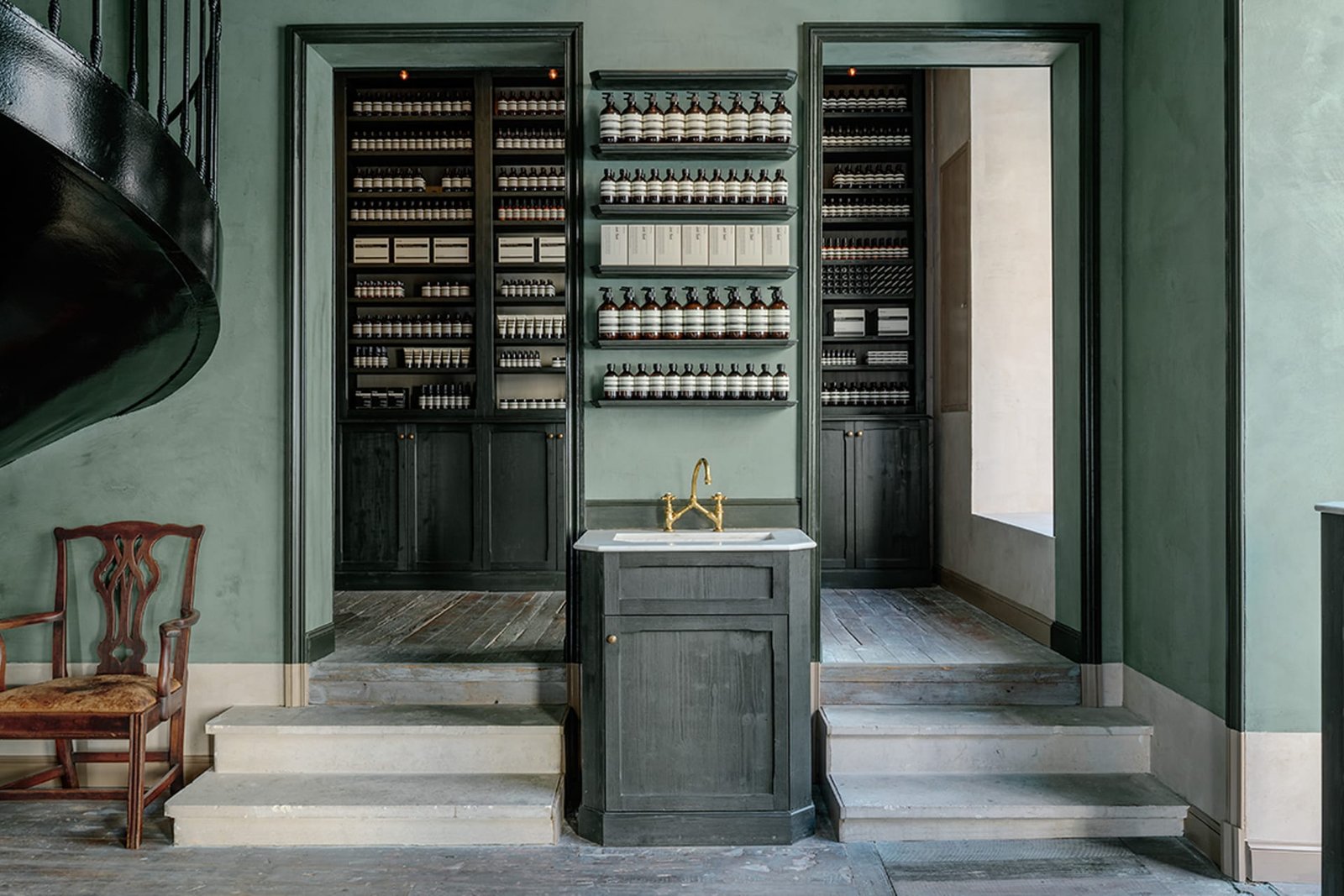
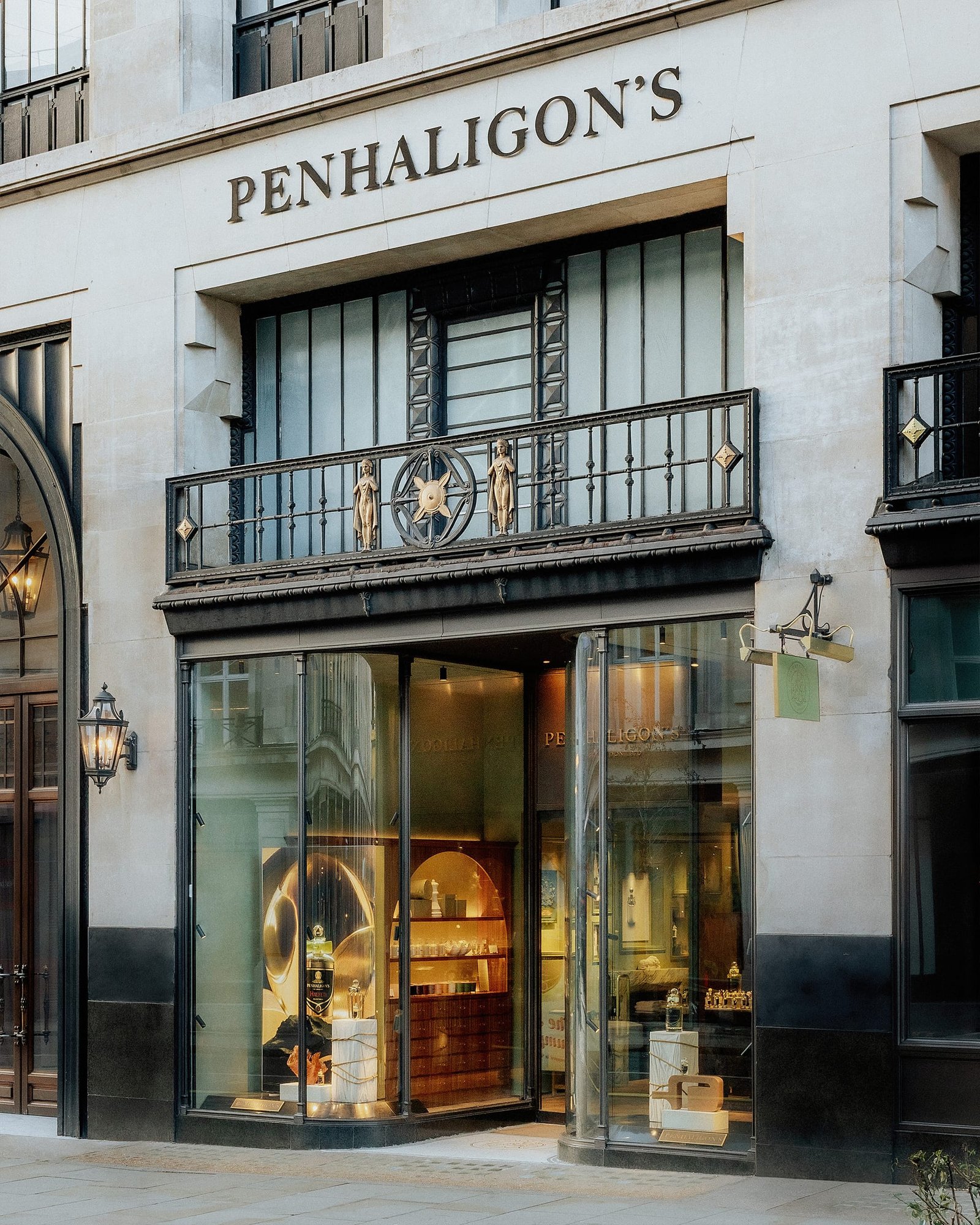

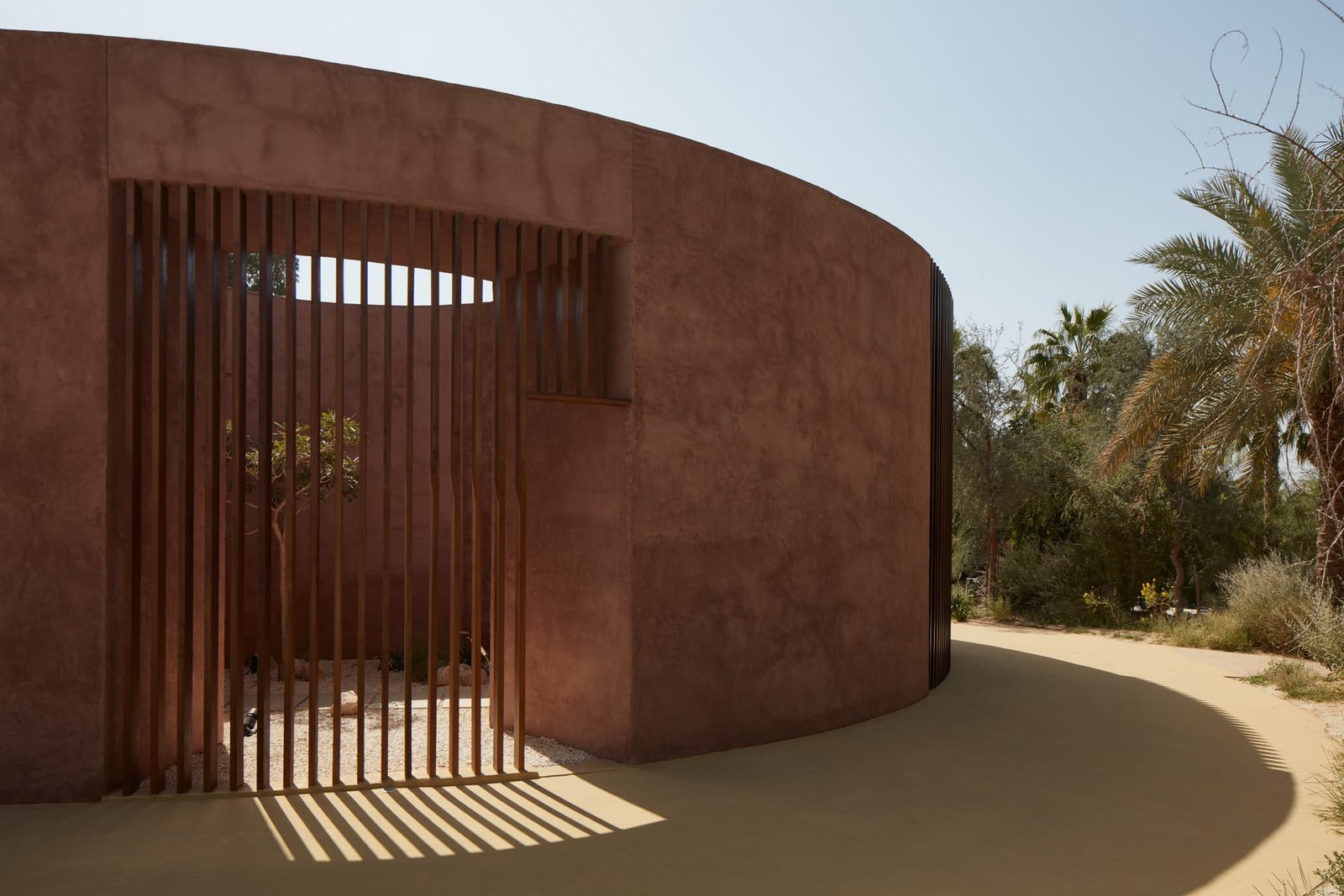
Custom finishes
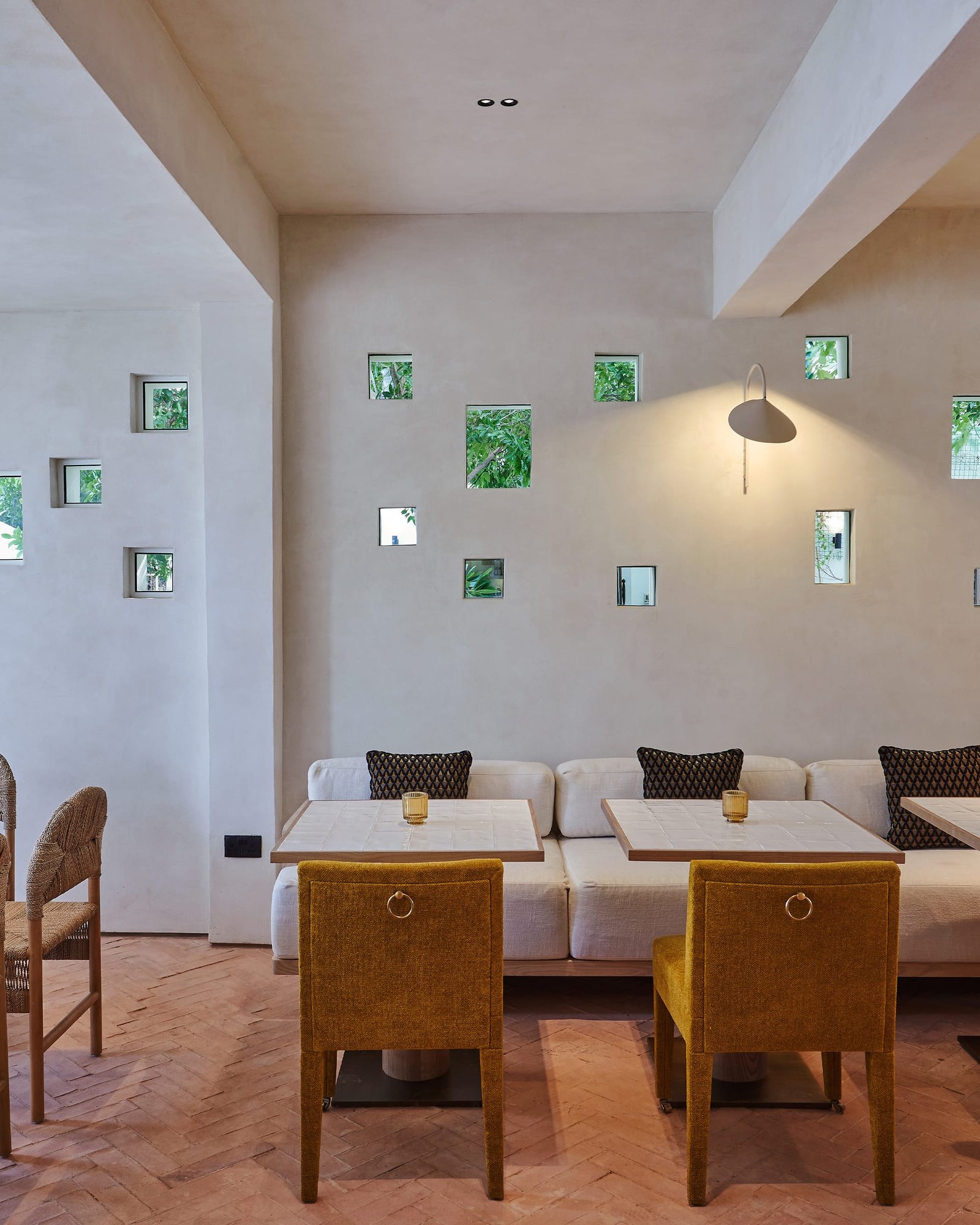
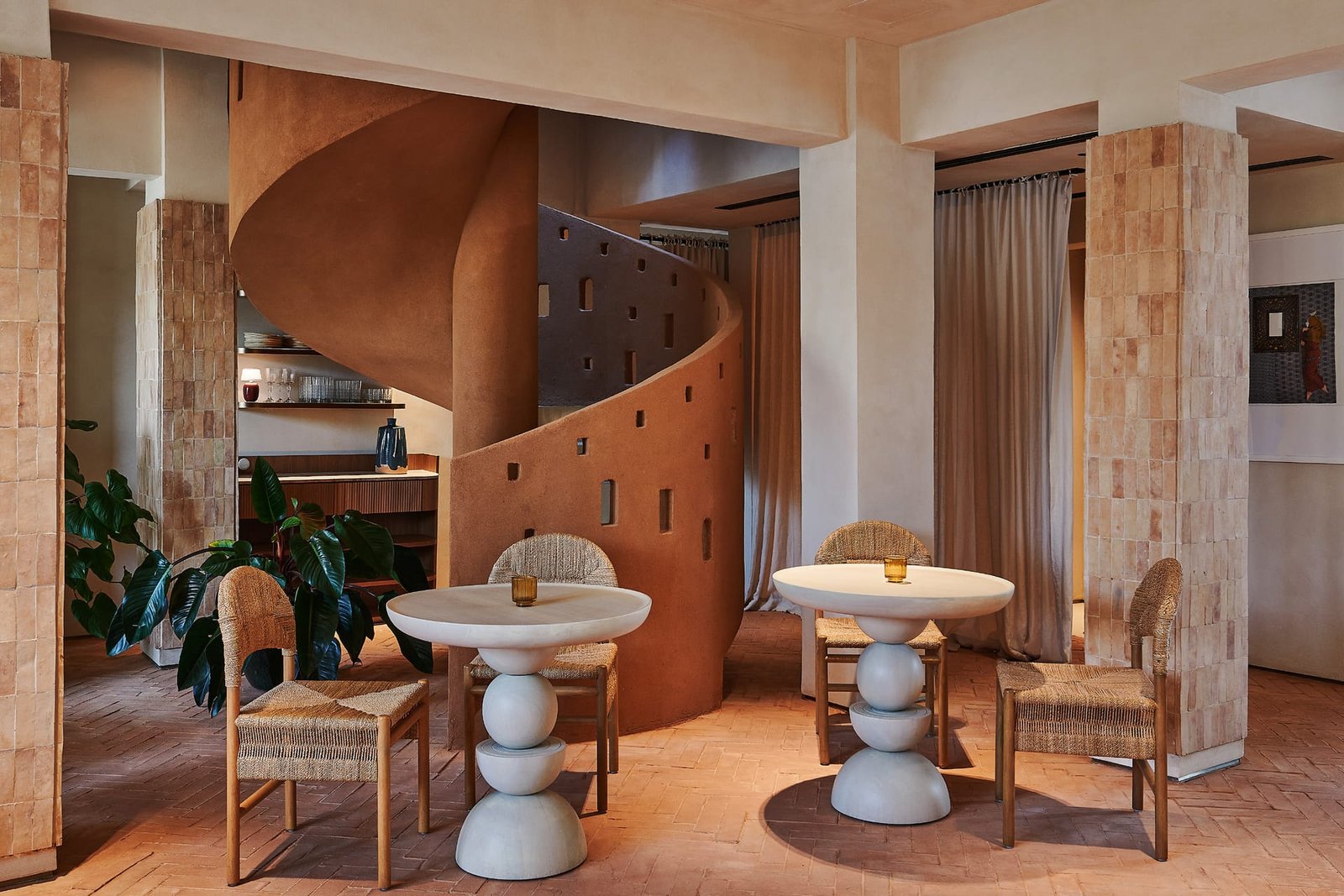
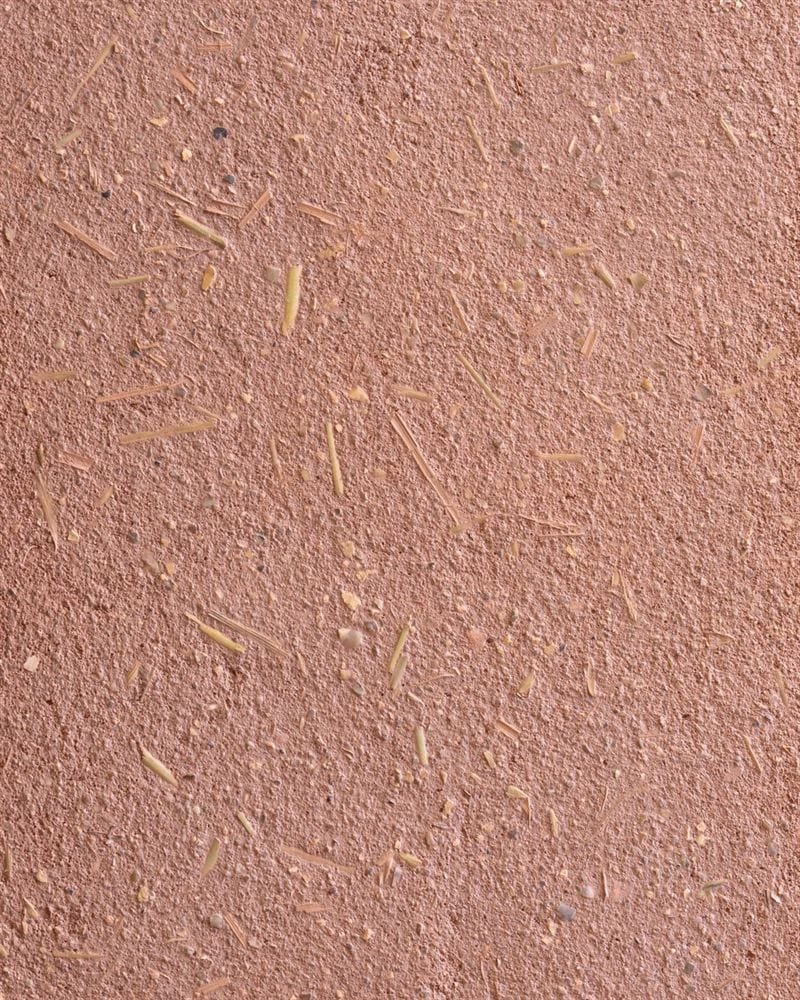
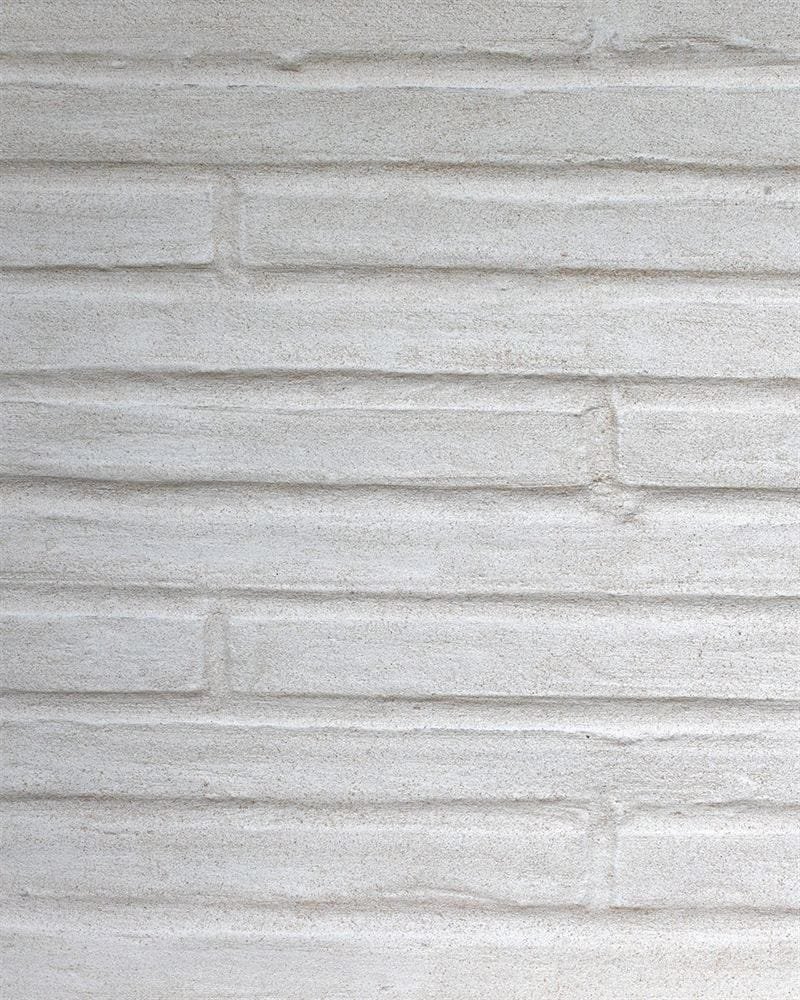
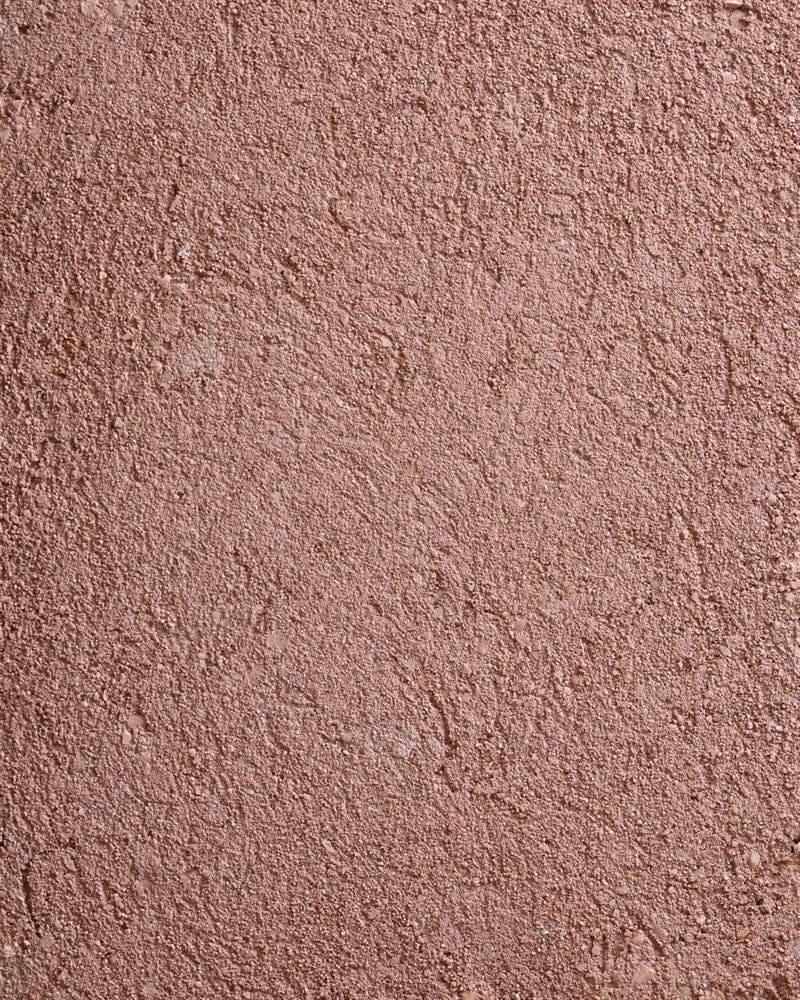
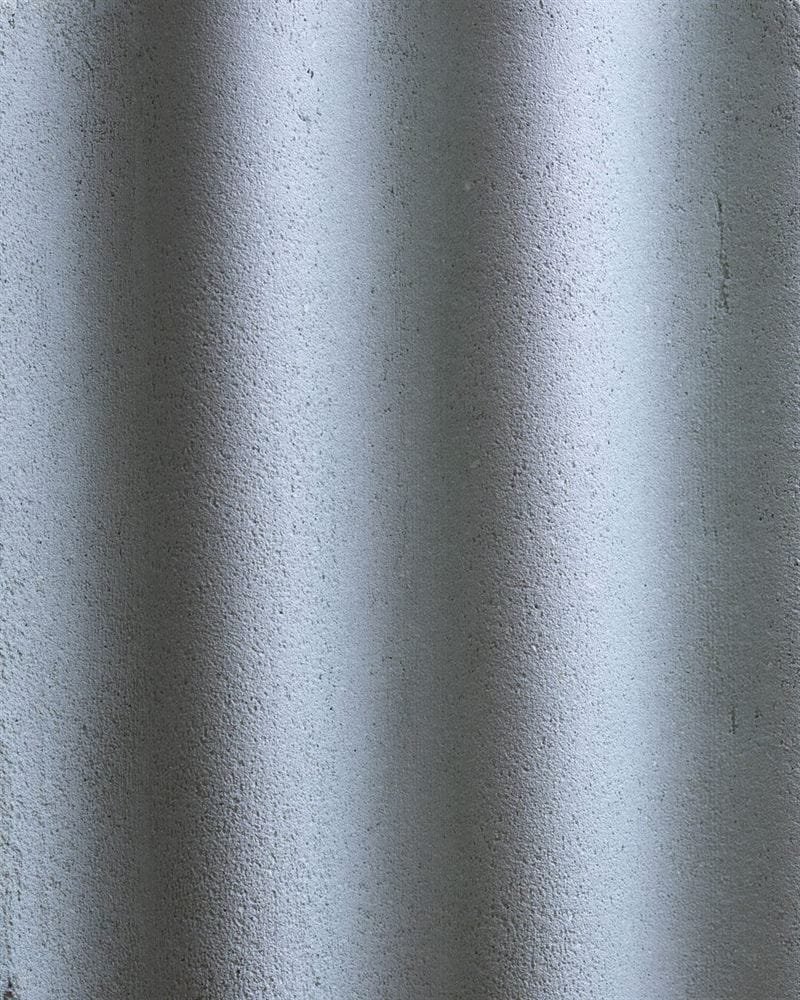
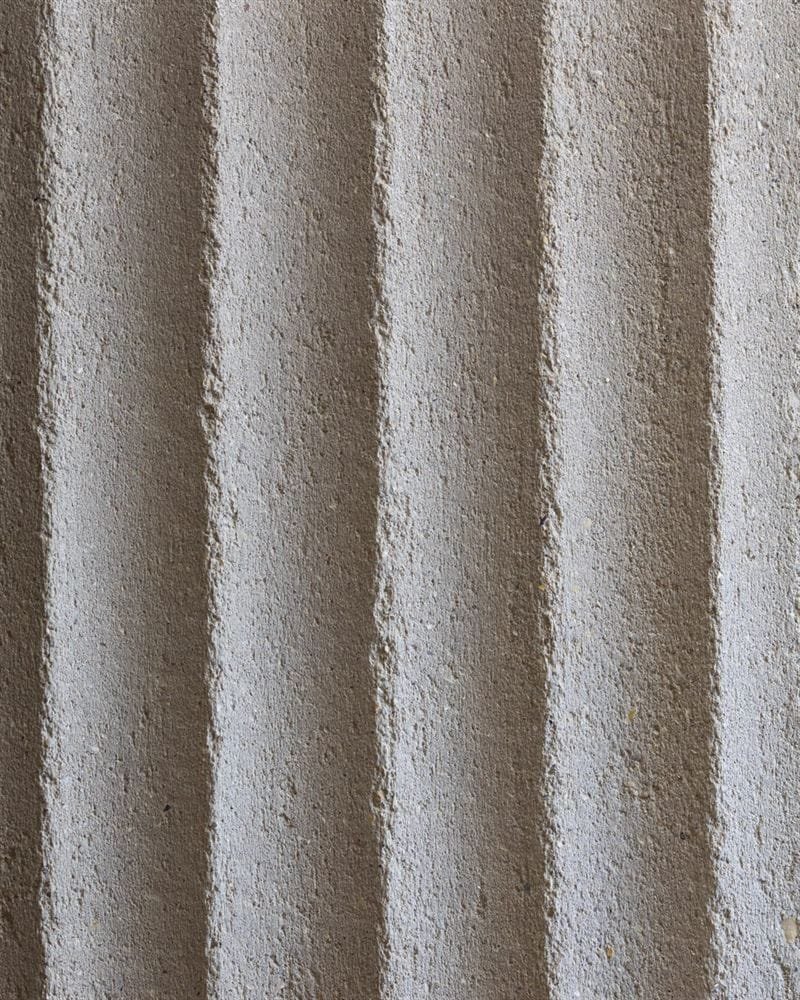
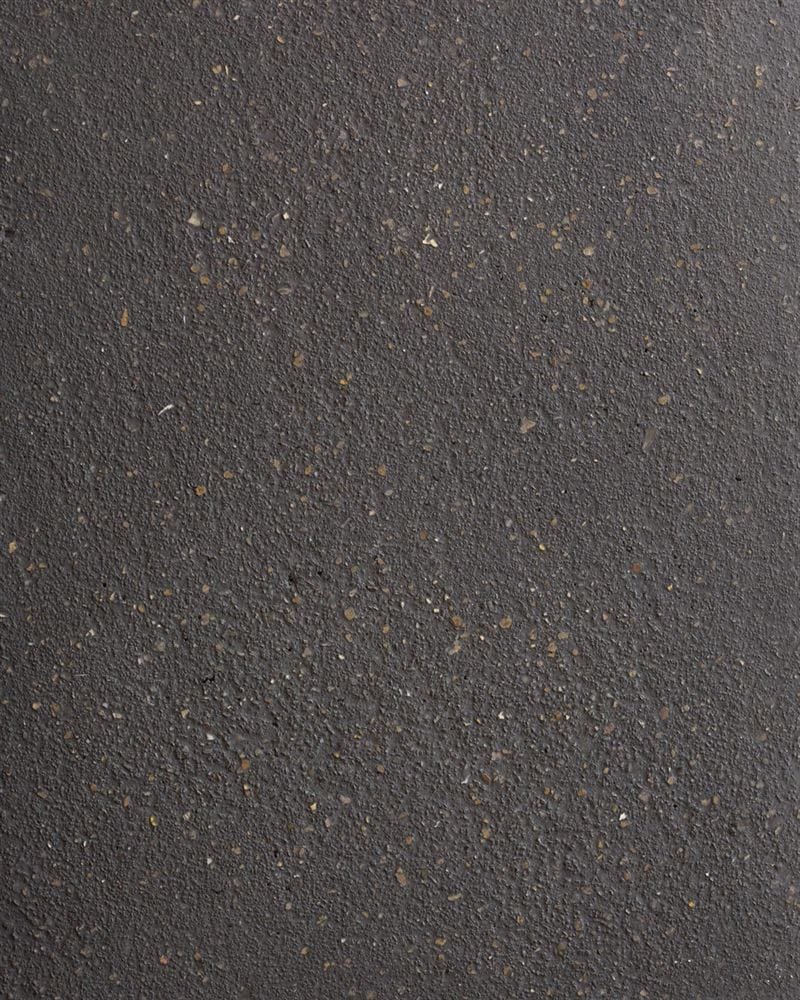
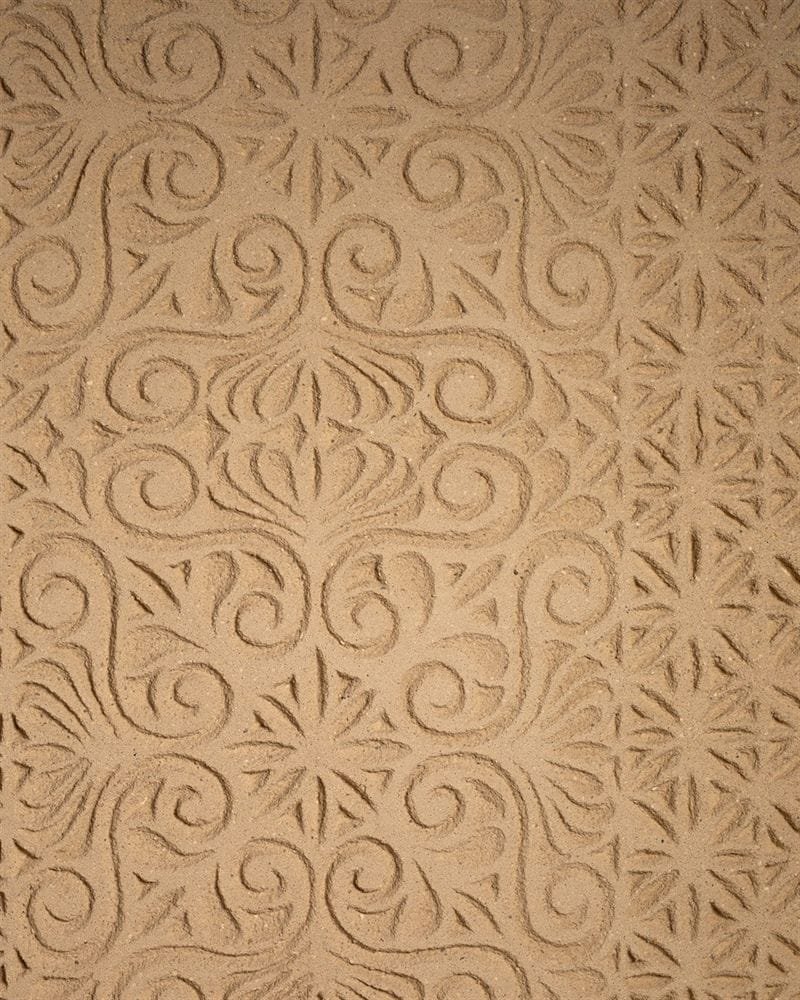
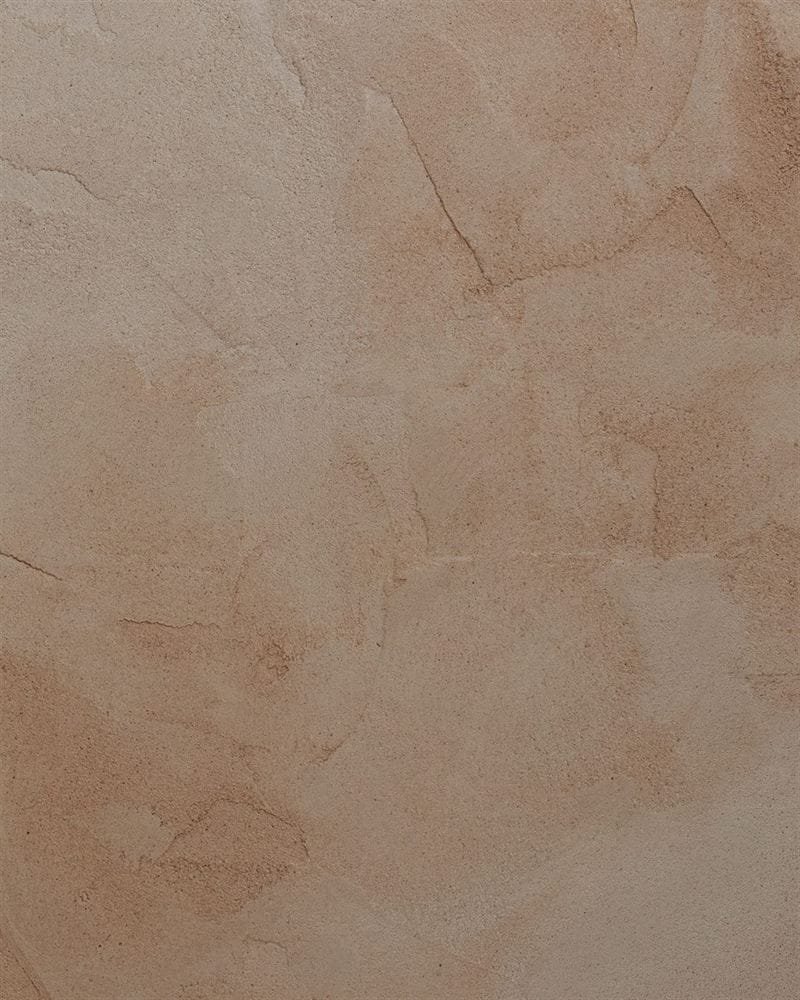
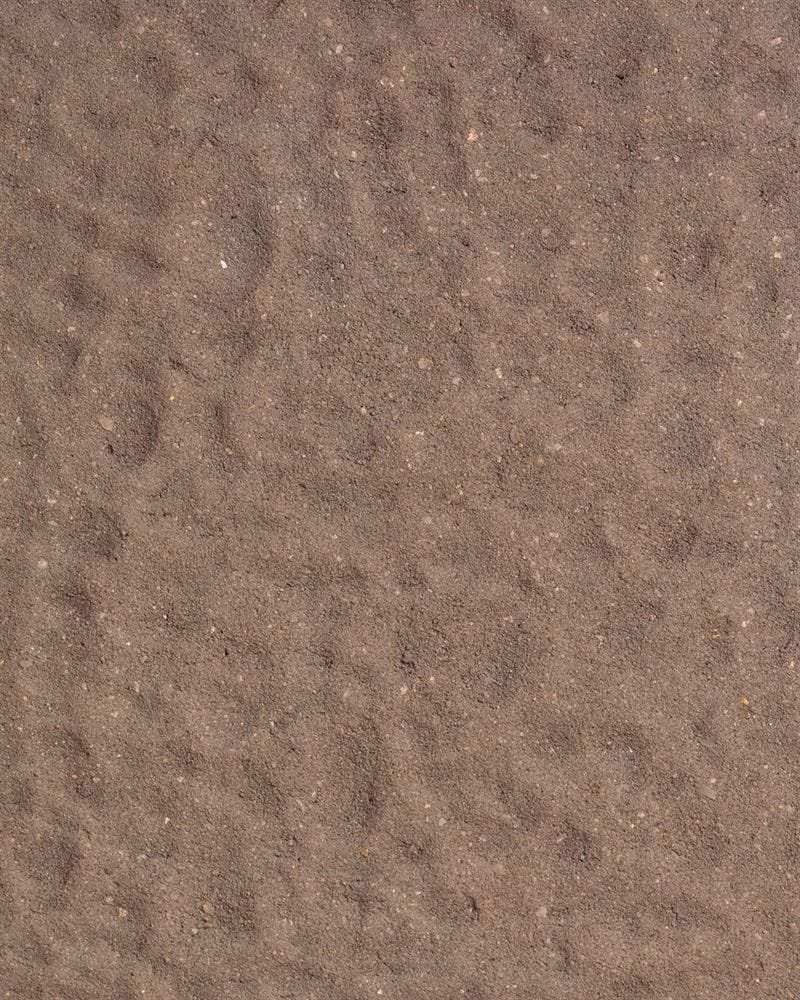
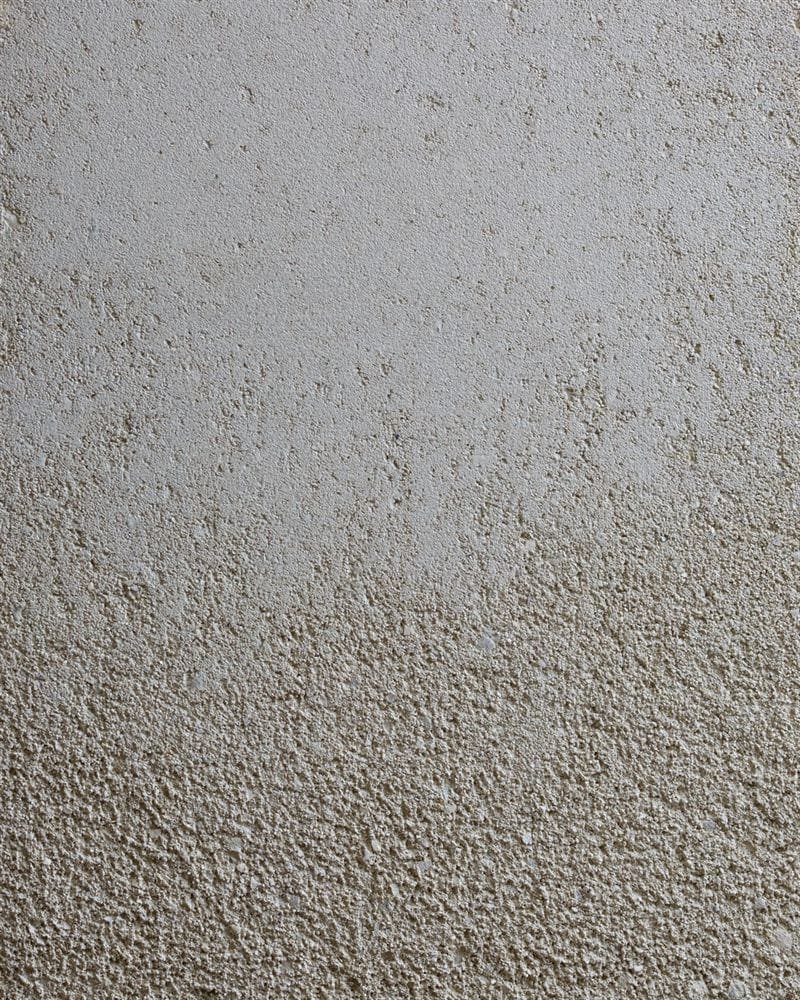
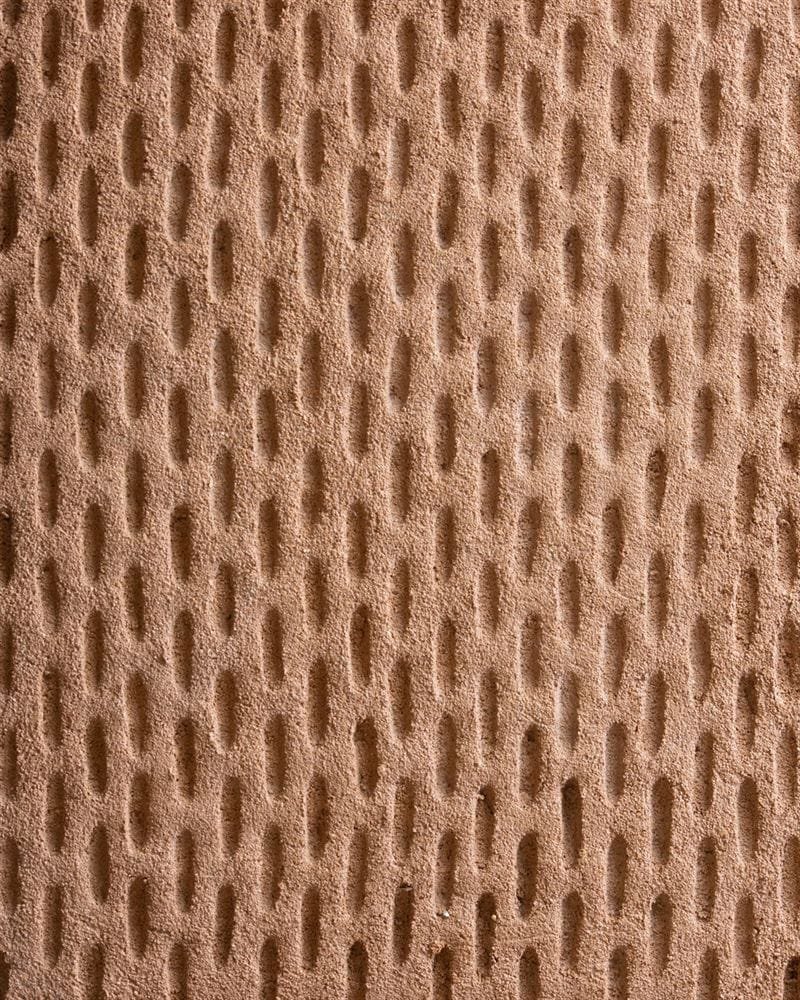
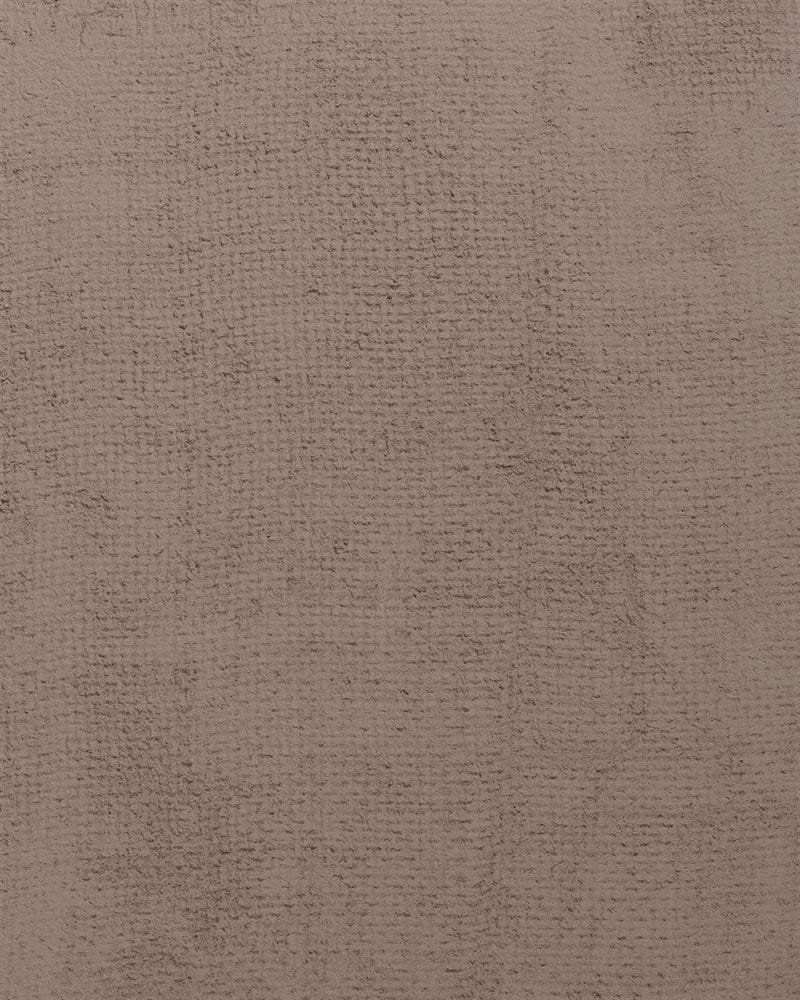
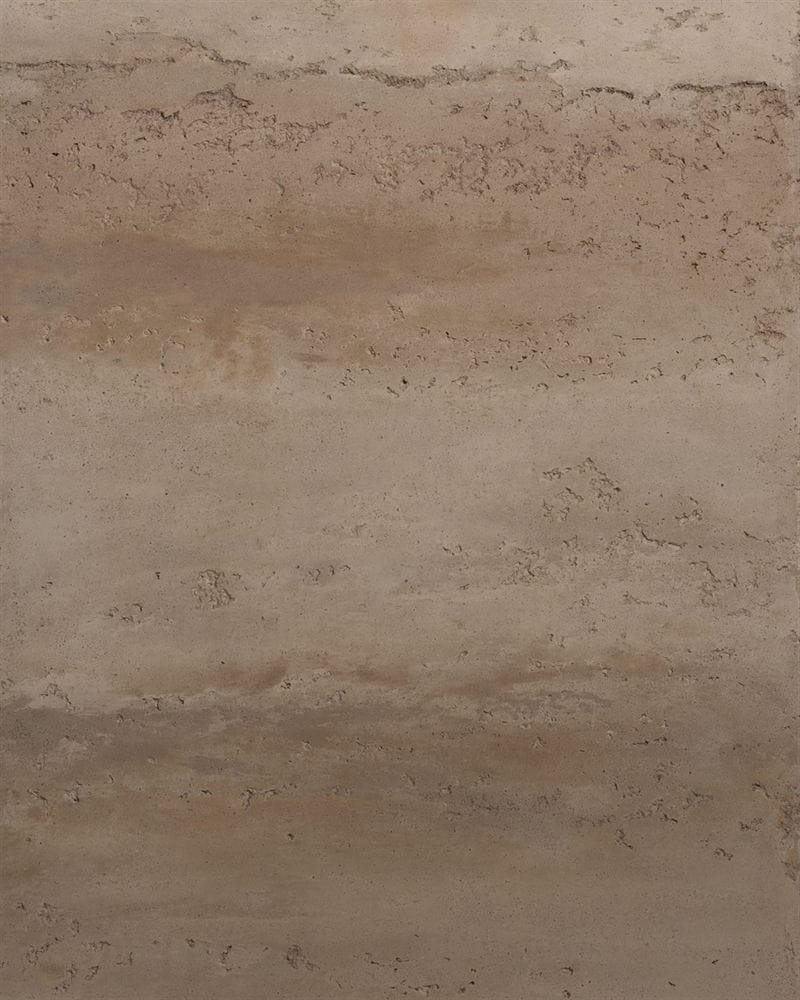
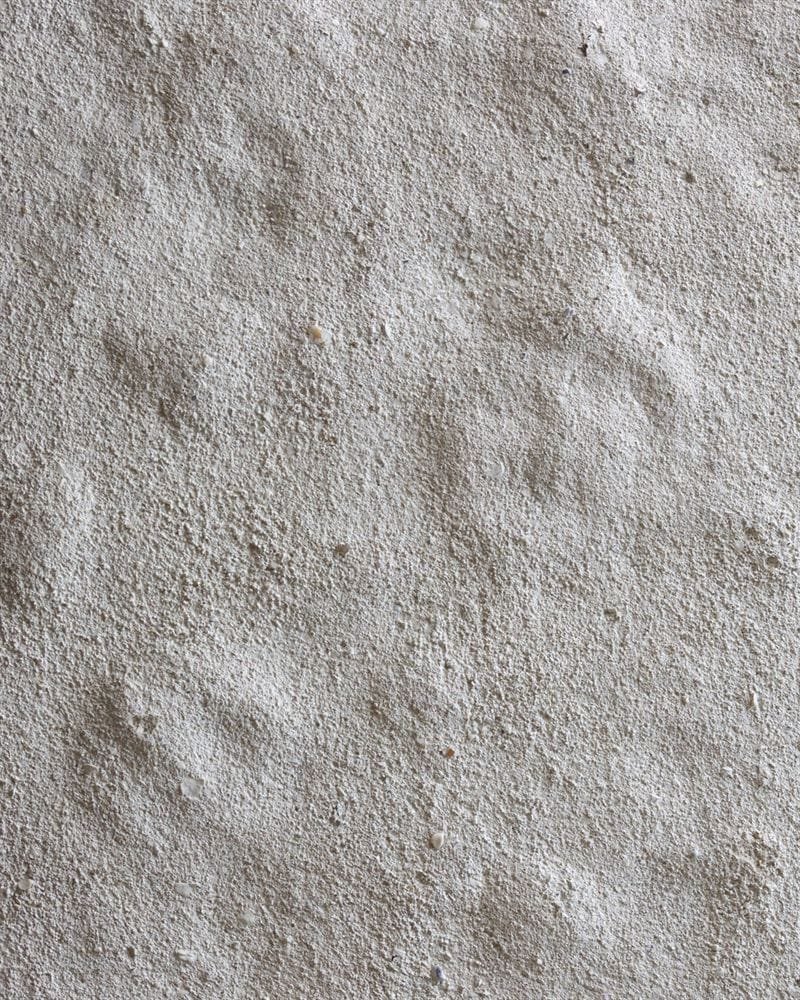
Custom finishes are the part of the range where texture is designed for a project rather than chosen from a shelf. We start from a drawing, a reference or a material sample, then make control panels on site in the specified Clayworks colour — Nude NUD-01, White WHI-07, Terracotta TER-03 — and adjust depth, direction and grain until the wall reads the way the design intends. Every finish below is for interior walls and ceilings, applied by our own crews.
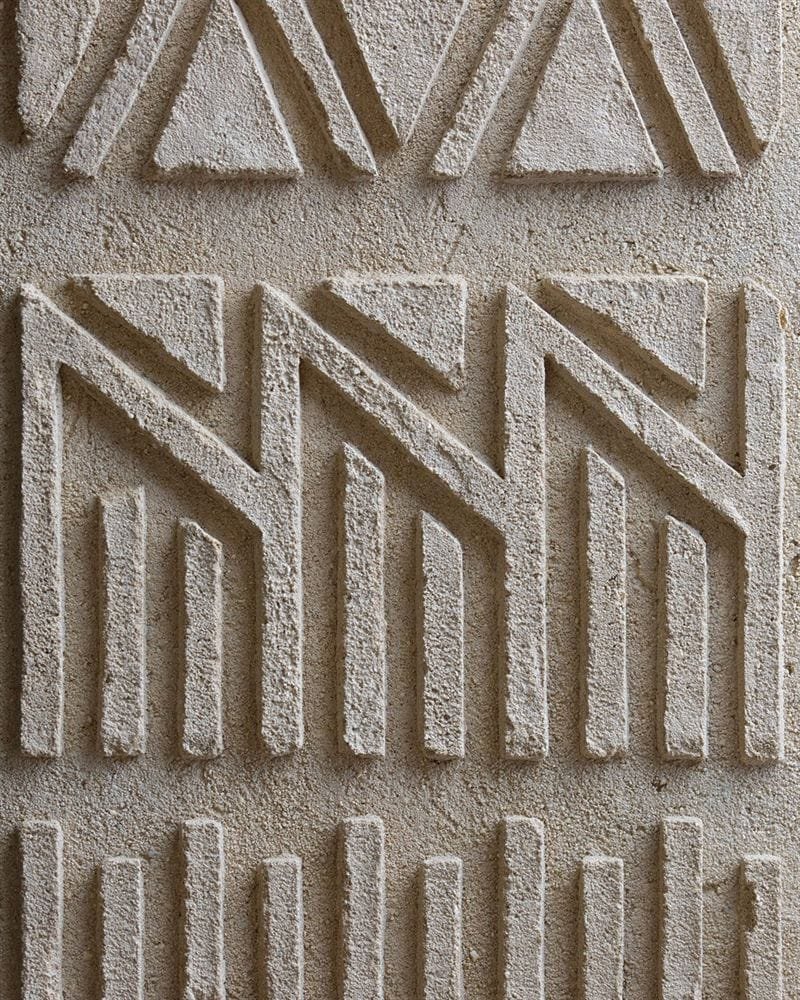


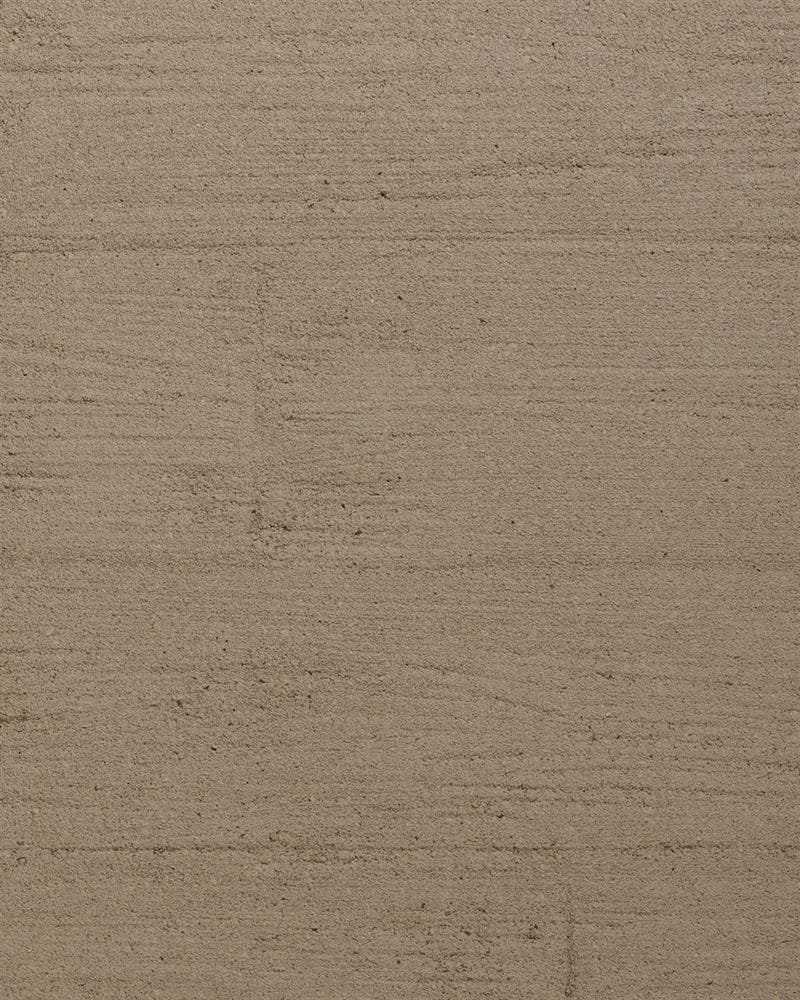
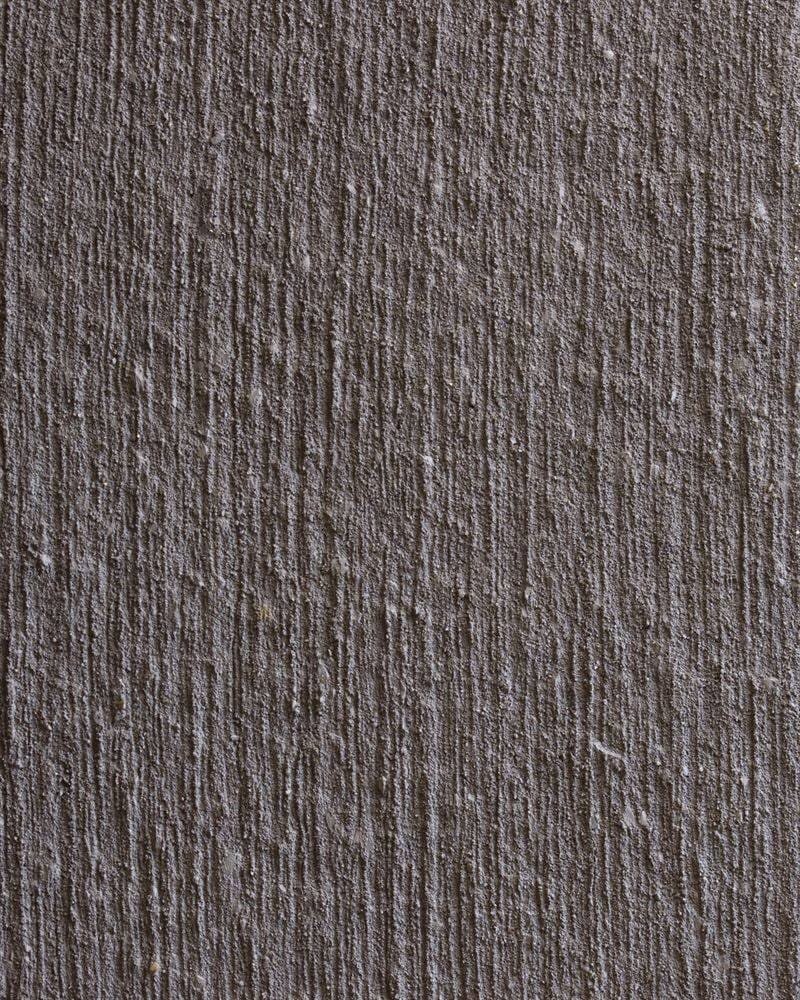
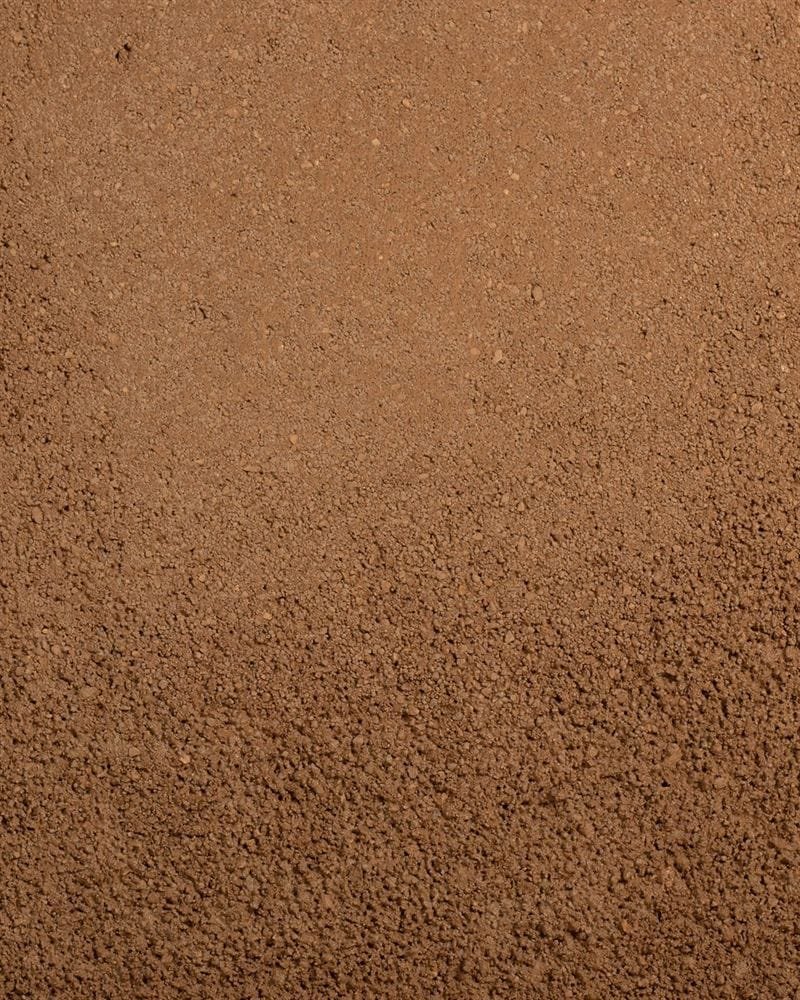
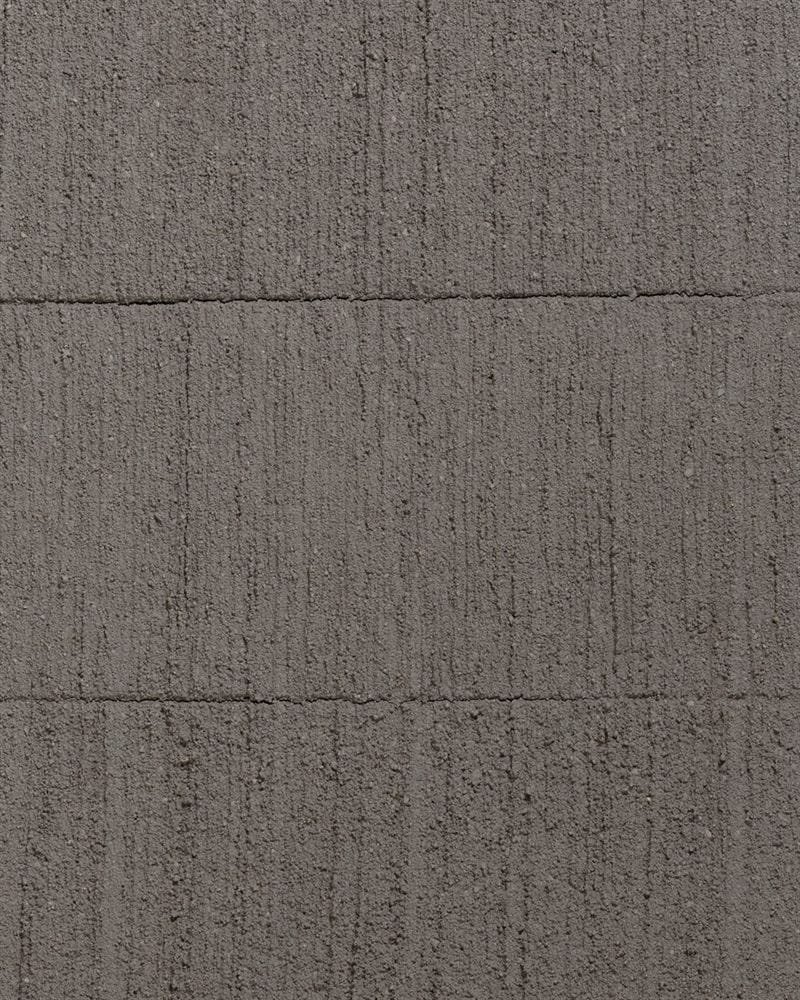
Featured projects
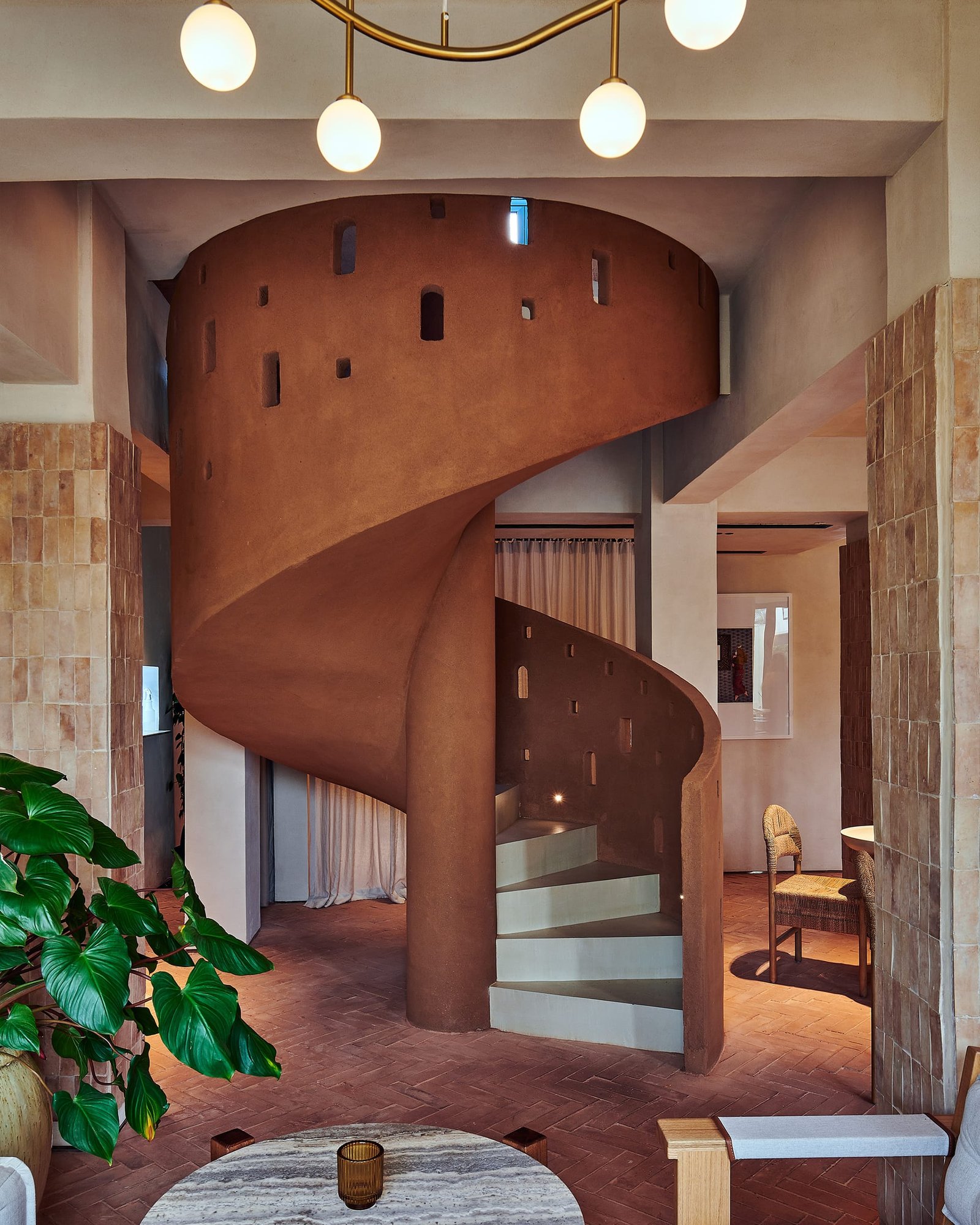
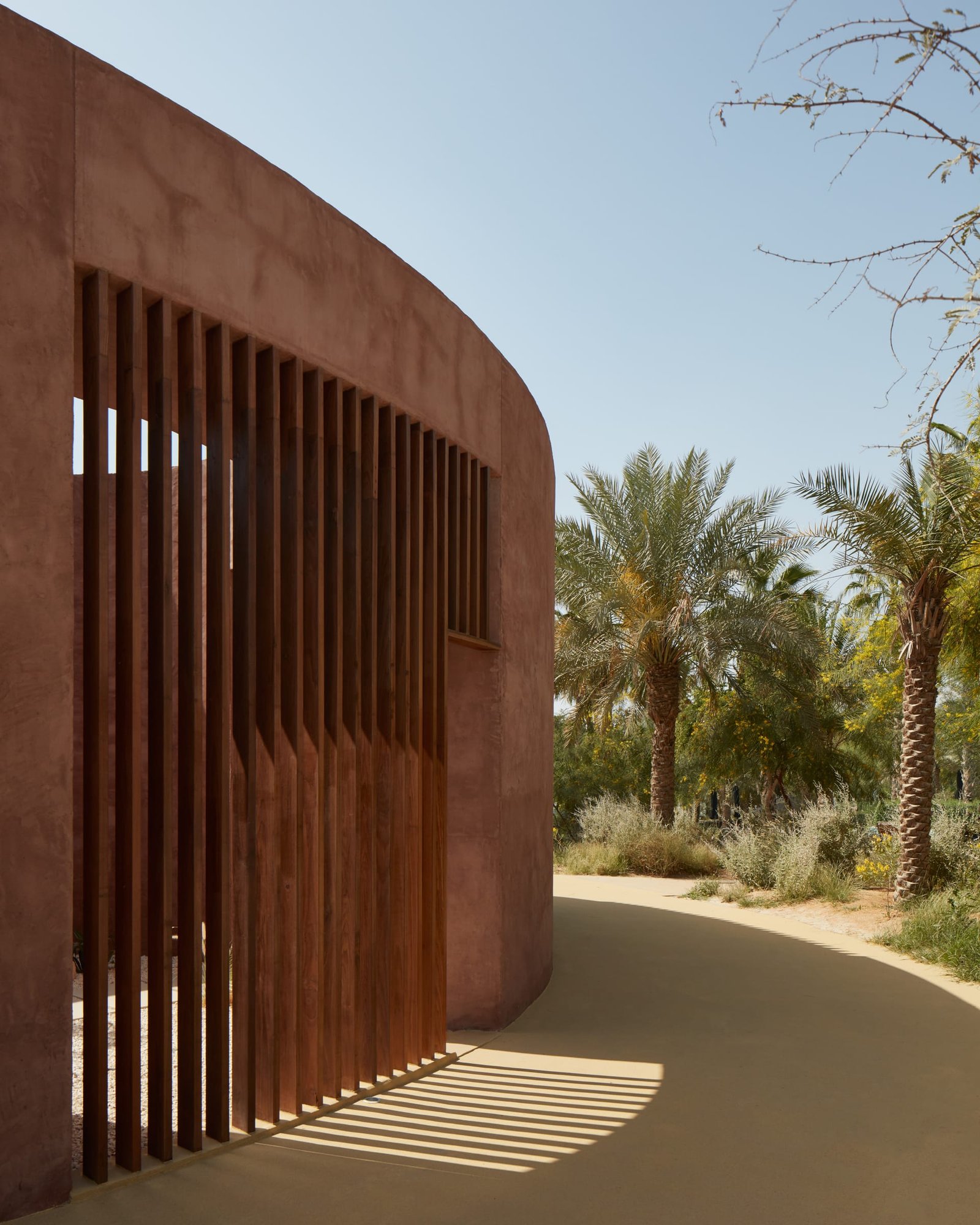
Built with this material, by our own artisans. Open the project for the full set of photographs and the story of the installation.
Technical library
The range is fully documented for specification and submittal. The library carries technical data sheets issued under our own cover, light reflectance values for daylight and lighting calculations, and the Auro primer sheet covering substrate preparation. Ask us if a consultant needs anything the library does not already hold.
-
Smooth Finishes Technical data sheet · PDF 0.7 MBDownload (PDF, 0.7 MB)
-
Interior Demi-Rustic Finish Technical data sheet · PDF 1.1 MBDownload (PDF, 1.1 MB)
-
Interior Rustic Finish Technical data sheet · PDF 1 MBDownload (PDF, 1.0 MB)
-
Exterior Demi-Rustic Finish Technical data sheet · PDF 1 MBDownload (PDF, 1.0 MB)
-
Exterior Rustic Finish Technical data sheet · PDF 1.2 MBDownload (PDF, 1.2 MB)
-
Tadelakt Technical data sheet · PDF 1 MBDownload (PDF, 1.0 MB)
-
Rammed Earth Finishes Product description and data overview · PDF 1.9 MBDownload (PDF, 1.9 MB)
-
Light Reflectance Values LRV across the colour range · PDF 0.7 MBDownload (PDF, 0.7 MB)
-
Auro Plaster Primer No. 301 Primer technical data sheet · PDF 0.9 MBDownload (PDF, 0.9 MB)
-
Application Guidelines Substrates, priming and application · PDF 0.7 MBDownload (PDF, 0.7 MB)
-
Design Details Junctions, reveals and edge details · PDF 2.8 MBDownload (PDF, 2.8 MB)
-
Technical Data Consolidated technical properties · PDF 0.8 MBDownload (PDF, 0.8 MB)
-
Product Overview The range at a glance · PDF 1 MBDownload (PDF, 1.0 MB)
-
Environmental Product Declaration Third-party verified EPD — EXPIRED 8 Nov 2025, renewal in progress; do not submit as current · PDF 0.9 MBDownload (PDF, 0.9 MB)
-
Health Product Declaration Demi-Rustic and Rustic · PDF 0.6 MBDownload (PDF, 0.6 MB)
-
Healthy Buildings Data Data for WELL and LEED submissions · PDF 1.8 MBDownload (PDF, 1.8 MB)
-
Sustainability Data Sheet Summary sustainability data · PDF 2 MBDownload (PDF, 2.0 MB)
-
Extended Sustainability Dossier The long-form dossier · PDF 5 MBDownload (PDF, 5.0 MB)
-
VOC Emissions and Content Certificates Certificates · PDF 0.9 MBDownload (PDF, 0.9 MB)
-
VOC Emissions Test Reports Full test reports · PDF 8.3 MBDownload (PDF, 8.3 MB)
-
Quality Policy Manufacturing quality policy · PDF 1 MBDownload (PDF, 1.0 MB)
Sample it, then specify it
We will make as many trial panels as it takes to arrive at the surface you want, on the substrate you are building on. Send the finishes schedule, or come to the showroom in Riyadh and put a hand on the range.
Questions specifiers ask
Short answers, restating what this page already sets out. The specification pages carry the data behind each one.
Where can clay plaster be used?
Clay plaster is specified for interior walls and ceilings. The unfired Clayworks range — Smooth, Demi Rustic, Rustic and Tonal — is held in the region and applied by Conmarble's own artisans across Saudi Arabia and the wider Gulf. For facades and garden walls there is a dedicated exterior clay system, a different product from the interior plasters, not the interior plaster used outside.
Can clay plaster be used in bathrooms, showers or other wet areas?
No. The at-a-glance guidance rules clay plaster out of showers, wet areas and floors, pointing specifiers to lime or microcement in those locations. For wet rooms the page directs you to tadelakt or Microtadelakt; tadelakt is described as lime and clay, compressed with stone and sealed with olive soap, for bathrooms, hammams and showers across Riyadh and Saudi Arabia.
Does clay plaster help control indoor humidity?
Yes. Clay takes up moisture when a room is damp and releases it when the air dries, which helps hold interiors between 40 and 60% relative humidity. In a Gulf climate, where air conditioning swings a room hard, that moisture buffering keeps wall surfaces and occupants more comfortable on the interior walls and ceilings where the plaster is used.
How does clay plaster hold up to knocks, and can it be repaired?
The colour sits in the clay body rather than in a coat on top, so a knock or a scuff shows the same colour underneath and repairs blend into the wall rather than patching over it. The page also links a maintenance and care section covering how the finishes age, clean and repair, and material and workmanship sit under a single warranty.
Does clay plaster contribute to LEED, WELL or Mostadam submissions?
Clay plaster contributes to WELL, LEED and Mostadam submissions through material health, low emissions and indoor comfort criteria — it contributes to submissions rather than carrying a certification. The technical library on the page holds healthy buildings data for WELL and LEED, VOC emissions certificates and test reports, and a Health Product Declaration covering the Demi-Rustic and Rustic finishes.